
The scale of the event continues to shape reconstruction. Scientific analysis led by the Swiss Federal Research Institute for Forest, Snow and Landscape Research found that the avalanche was among the best-documented rock-and-ice events of its kind. Researchers estimate that the main rock failure involved roughly 3.5 to 3.75 million cubic metres of rock, while the interaction of ice and water helped the debris travel farther than a typical dry-rock avalanche.
The temporary cable car is intended to keep the affected area connected while permanent infrastructure is rebuilt. It will link Wiler with Weissenried, allowing passengers, construction materials and essential supplies to move through the valley. It will also provide access for emergency and rescue services.
A new cantonal road is being built at the same time, but the road project will take substantially longer. Reporting on the reconstruction indicates that a year-round road is expected to require several years, leaving the temporary cableway to perform an important bridging role in the meantime.
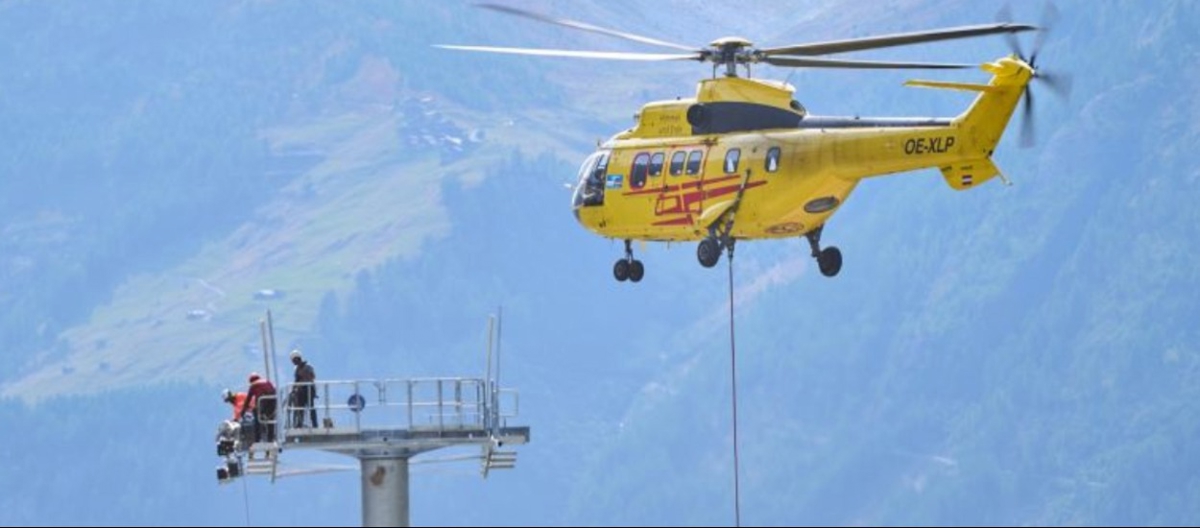
Three towers, one day of precision flying