KPop Demon Hunters was a resounding success for Netflix, coming out of nowhere to become the platform’s most-watched movie of all time and spawning several of last year’s biggest pop hits. It was less of a success for Demon Hunter, the Christian metal band that presumably has been getting mogged in the search bar ever…
The risk the band took when naming themselves behind a concept. Irrespective of their personal harm, reaching across mediums to claim the name from a movie is the same as reaching to a video game. The concept of hunting demons is exponentially older than this bands formation in 2000. Hell, the Abrahamic demons they sing about aren’t even in the same mythology as Korean shamanic demons. The band should not get to lay claim all these different interpretations from their name alone. This is even more egregious than Buc-ee’s sueing any store with a cartoon animal logo, since at least they are both stores selling physical goods. Demon Hunter the band can’t even muster that much of a claim.
Well see how this plays out. While I’m definitely not rooting for Netflix, I am decidedly rooting against cross genre, cultural and medium trade mark overreach.
The band should not get to lay claim all these different interpretations from their name alone.
Which is exactly what they’re NOT doing. They had a name that was working for them for 25 years. They never sued anyone over using that name, because none of the other uses caused any problem for them. But now one has. When trying to find and identify a band named demon hunters, there is confusion with the movie. People can’t find the actual band any more. It’s only right for Netflix to compensate them for that harm.
I’m sure they’ll settle out of court, and come up with a new band name. Demon Slayers sounds obvious to me. Or maybe The First Demon Hunters.
Well, I don’t want to argue so it seems like we’re gonna have to agree to disagree. But I do feel like you are misunderstanding how trademark works.
Trademark only protects against customer confusion, not other projects becoming popular. Reasonable people looking for the band who instead find links to the movie are not likely to think the movie and the band are the same project or brand.
When a consumer knows what goods or services you offer, what other goods or services might they reasonably expect you to offer?× For example, if you sell hot dog buns, a consumer may expect you to sell hamburger buns and loaves of bread.
It’s irrelevant that the movie is now showing higher on search results. The relevance of trademark will apply to other touring bands selling music under the name Demon Hunter, or names like “D. Hunter” / “Demons Hunted” or if the movie characters were styled after the IRL band, they might have a case. But an all male metal using Christian imagery and prayer band is quite different than a fictional all female pop band that does dance fighting. The content of the 90+ minute film is sustainably different than the content of 3-4 minute religious metal song.
However I’ve said my piece and I don’t wish to belabour the point further. Time will tell who wins, but according to actual mechanics of trademark law the court will only rule for the band if they can show reasonable people confuse the musicians for a movie, which I think would be an unrealistic accomplishment.
No the movie is putting on a show and tour with the same name which is confusing consumers, as the band has proven, and that goes against their trademark.
I really don’t understand the logic you all have. Is this general ignorance of trademarks or some Netflix dick sucking that’s happening?


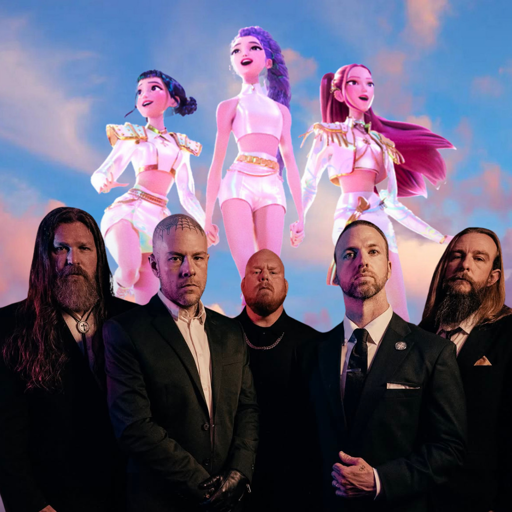
The risk the band took when naming themselves behind a concept. Irrespective of their personal harm, reaching across mediums to claim the name from a movie is the same as reaching to a video game. The concept of hunting demons is exponentially older than this bands formation in 2000. Hell, the Abrahamic demons they sing about aren’t even in the same mythology as Korean shamanic demons. The band should not get to lay claim all these different interpretations from their name alone. This is even more egregious than Buc-ee’s sueing any store with a cartoon animal logo, since at least they are both stores selling physical goods. Demon Hunter the band can’t even muster that much of a claim.
Well see how this plays out. While I’m definitely not rooting for Netflix, I am decidedly rooting against cross genre, cultural and medium trade mark overreach.
Which is exactly what they’re NOT doing. They had a name that was working for them for 25 years. They never sued anyone over using that name, because none of the other uses caused any problem for them. But now one has. When trying to find and identify a band named demon hunters, there is confusion with the movie. People can’t find the actual band any more. It’s only right for Netflix to compensate them for that harm.
I’m sure they’ll settle out of court, and come up with a new band name.
Demon Slayers sounds obvious to me. Or maybe The First Demon Hunters.
Well, I don’t want to argue so it seems like we’re gonna have to agree to disagree. But I do feel like you are misunderstanding how trademark works.
Trademark only protects against customer confusion, not other projects becoming popular. Reasonable people looking for the band who instead find links to the movie are not likely to think the movie and the band are the same project or brand.
Look at the examples from the patent office .
It’s irrelevant that the movie is now showing higher on search results. The relevance of trademark will apply to other touring bands selling music under the name Demon Hunter, or names like “D. Hunter” / “Demons Hunted” or if the movie characters were styled after the IRL band, they might have a case. But an all male metal using Christian imagery and prayer band is quite different than a fictional all female pop band that does dance fighting. The content of the 90+ minute film is sustainably different than the content of 3-4 minute religious metal song.
However I’ve said my piece and I don’t wish to belabour the point further. Time will tell who wins, but according to actual mechanics of trademark law the court will only rule for the band if they can show reasonable people confuse the musicians for a movie, which I think would be an unrealistic accomplishment.
They have an email from a confused consumer asking for a refund due to them mixing up the band with the movie. They absolutely have a case.
This isn’t about the movie, its about the live concerts that Netflix is doing under the name Kpop demon hunters.
No the movie is putting on a show and tour with the same name which is confusing consumers, as the band has proven, and that goes against their trademark.
I really don’t understand the logic you all have. Is this general ignorance of trademarks or some Netflix dick sucking that’s happening?