Copyright already deals with that, although it’s annoying as fuck. You’re only liable if you copied, independent creation is valid and protected.
And you need to prove your own origin of you creation if you get sued, showing it’s not a derivative of the original (or prove it’s sufficiently transformative for fair use)
Ignoring the fact that that would be so unlikely as to be nearly impossible, art that is almost identical to other art is a clear case of plagiarism. The method that was used to create the copy should not matter. A painter copying a photographer’s art without proper attribution or renumeration, is still plagiazing. They might have used different tools, but it’s still a copy.
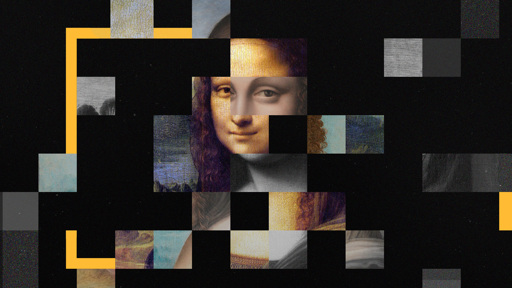
That’s not how AI works. It isn’t like copying and pasting previous patterns exactly. It is a compressed (kind of representation) of the original. Similar to how our memories work. Imagine the mona lisa, you can probably imagine key features, eyes, nose, hair smile. But you probably don’t remember every detail of the background. Models don’t store the exact original. So it isn’t technically plagiarism.
Now can you argue that it is? Maybe, but a model not trained to specifically recreate the mona lisa is very unlikely to produce a replica of it but it “knows” features of the mona lisa. So it could apply a similar smile or look to another “known” set of faces.
If a painter has seen a photograph and later blindly creates a similar image that isn’t plagiarism, is it? Maybe I am wrong.
A copy is a copy, it shouldn’t matter what tools were used for it to be considered a copy. That tech Bros want to claim that their black box of tools absolves them of responsibility is absurd in my eyes.
The painter copying a photograph is an example from my country, where a painter was convicted for plagiarism after copying a photographer’s work.
Holy crap that’s wild. So someone was convicted for copying a photographer’s work? That’s really difficult to prove in the US. Artists influence each other all the time.
I agree that techbros copying should be paying for the rights btw.


What if it creates art almost identical to art not in its training set?
Copyright already deals with that, although it’s annoying as fuck. You’re only liable if you copied, independent creation is valid and protected.
And you need to prove your own origin of you creation if you get sued, showing it’s not a derivative of the original (or prove it’s sufficiently transformative for fair use)
Guilty until proven innocent where you live?
Copyright is copyright. You’ll face a civil suit where you have to convince them there’s a 51% chance you’re right.
Copyright law sucks everywhere.
Ignoring the fact that that would be so unlikely as to be nearly impossible, art that is almost identical to other art is a clear case of plagiarism. The method that was used to create the copy should not matter. A painter copying a photographer’s art without proper attribution or renumeration, is still plagiazing. They might have used different tools, but it’s still a copy.
That’s not how AI works. It isn’t like copying and pasting previous patterns exactly. It is a compressed (kind of representation) of the original. Similar to how our memories work. Imagine the mona lisa, you can probably imagine key features, eyes, nose, hair smile. But you probably don’t remember every detail of the background. Models don’t store the exact original. So it isn’t technically plagiarism.
Now can you argue that it is? Maybe, but a model not trained to specifically recreate the mona lisa is very unlikely to produce a replica of it but it “knows” features of the mona lisa. So it could apply a similar smile or look to another “known” set of faces.
If a painter has seen a photograph and later blindly creates a similar image that isn’t plagiarism, is it? Maybe I am wrong.
A copy is a copy, it shouldn’t matter what tools were used for it to be considered a copy. That tech Bros want to claim that their black box of tools absolves them of responsibility is absurd in my eyes.
The painter copying a photograph is an example from my country, where a painter was convicted for plagiarism after copying a photographer’s work.
Holy crap that’s wild. So someone was convicted for copying a photographer’s work? That’s really difficult to prove in the US. Artists influence each other all the time.
I agree that techbros copying should be paying for the rights btw.
I found an English article on it. It has the original photo and the painting, there was little point in trying to deny that it was copied :) https://hyperallergic.com/luc-tuymans-convicted-of-plagiarism-for-painting-photo-of-politician/
Time to rethink plagiarism. Oh wait, maybe somebody had that idea before so that I plagiated it just now!? Let’s stop thinking to make sure.