The article highlights that anyone can offer a discount for cash.
It’s literally just flipping to cards such that instead of an increase to the sticker price for electronic payments, you get a decrease in the sticker price for cash payment.
So to clarify the question, the point of the change is Australia maintains the you don’t pay more than the sticker price rule.
And yes, weekend and public holidays surcharges on menus annoy the shit out of me and should be banned too.
Just a reminder that the law actually says weekend and holiday surcharges must be clearly stated in the menu at least as prominently as the most prominent item on the menu. So if it’s down the bottom in fine print, or if it’s the same size as normal menu items but they have specials extra large, you can tell them to stuff it.
So the core idea that although cash was the normal method of payment in the past, now card is the normal method of payment. Thus when card price and cash price are different, the card price should be the one listed - not cash price. Is that the gist of it?
I mean, I think that’s a reasonable argument. But as a counter point, cash is still the government supported standard; whereas other payment systems are processed by some third-party foreign company (such as Mastercard) - hence the fee.
I guess in the end it doesn’t really matter much. Maybe hiding the details makes for a better experience, but maybe it just entrenches the power of established transaction companies. I guess we’ll just see how it pans out.
whereas other payment systems are processed by some third-party foreign company (such as Mastercard) - hence the fee.
we should really have pushed a much greater use of eftpos for electronic transactions. eftpos is Australian and doesn’t rely in the fickle US Government

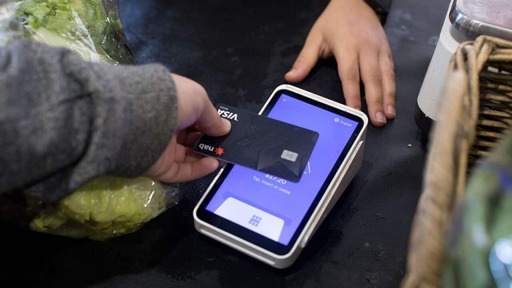
The article highlights that anyone can offer a discount for cash.
It’s literally just flipping to cards such that instead of an increase to the sticker price for electronic payments, you get a decrease in the sticker price for cash payment.
So to clarify the question, the point of the change is Australia maintains the you don’t pay more than the sticker price rule.
And yes, weekend and public holidays surcharges on menus annoy the shit out of me and should be banned too.
Just a reminder that the law actually says weekend and holiday surcharges must be clearly stated in the menu at least as prominently as the most prominent item on the menu. So if it’s down the bottom in fine print, or if it’s the same size as normal menu items but they have specials extra large, you can tell them to stuff it.
So the core idea that although cash was the normal method of payment in the past, now card is the normal method of payment. Thus when card price and cash price are different, the card price should be the one listed - not cash price. Is that the gist of it?
I mean, I think that’s a reasonable argument. But as a counter point, cash is still the government supported standard; whereas other payment systems are processed by some third-party foreign company (such as Mastercard) - hence the fee.
I guess in the end it doesn’t really matter much. Maybe hiding the details makes for a better experience, but maybe it just entrenches the power of established transaction companies. I guess we’ll just see how it pans out.
we should really have pushed a much greater use of eftpos for electronic transactions. eftpos is Australian and doesn’t rely in the fickle US Government
https://squareup.com/au/en/the-bottom-line/managing-your-finances/how-does-eftpos-work-australia