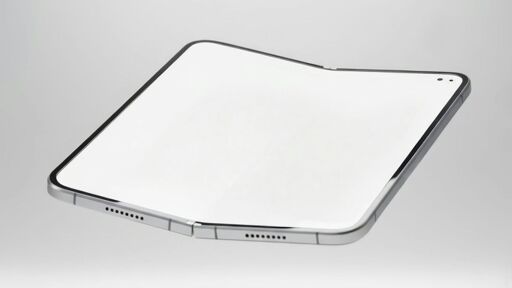
“I recently posted my take about this on Mastodon and I accidentally rage-baited one of my good friends who daily-drives a folding phone. So he messaged me on Signal passionately defending it. He finds it useful as a phone + iPad Mini replacement, especially since he bought his used for $400”
Therein lies the issue. The future that Apple, Google, et al sees is one where we move towards device convergence. There was a brief period where it wasn’t uncommon for a person to have a phone, tablet, laptop or desktop, etc. if you go back a bit more there were even more devices (iPods, cd players, etc). but the modern context has shown that phones can do a LOT of compute. An iphone 16 pro max from 2 years ago can perform around the level of a GeForce 1050, an aging but still somewhat viable card, except where that takes around 75 watts the iphone gpu takes 6-7 (lol). The iphone 18 pro max is closer to a 1060, which is about double the compute power. And then you have stuff like the m5 ipad which is a bit more powerful.
They’re not top end machine equivalents but they don’t have to be. 80-90% of users (possibly more) don’t do anything that requires such compute power. This has been reflected in consumer spending for years now. Smartphone and laptop sales are still growing, albeit at a slower rate, whereas desktop and laptop sales continue to fall. The future is people using smartphones for everything, tablets for power users, and laptops/desktops for the extreme high end power users. This sucks because it’s an ergonomic nightmare to do everything on your phone, the walled garden approach of all major phones will greatly hasten everything being locked down, mobile browsers are trash and even though the majority of traffic comes through them web designers still ignore making sites work on mobile browsers, etc
Of course the anti corporatist narrative fits in well here: these companies are excited for this convergence because it shifts control away from the user. The pc by nature is an open platform and has to have some degree of openness to work with multiple hardware configurations and peripherals. The phone is consistent hardware (extremely so in apples case) and the precedent has long been set for locked down everything. at the same time the consumer eats this shit up despite tons of people yelling about it so maybe we deserve it. But convergence makes sense from a consumer perspective too; we can’t afford to buy a laptop, phone, and tablet.

From the article:
“I recently posted my take about this on Mastodon and I accidentally rage-baited one of my good friends who daily-drives a folding phone. So he messaged me on Signal passionately defending it. He finds it useful as a phone + iPad Mini replacement, especially since he bought his used for $400”
Therein lies the issue. The future that Apple, Google, et al sees is one where we move towards device convergence. There was a brief period where it wasn’t uncommon for a person to have a phone, tablet, laptop or desktop, etc. if you go back a bit more there were even more devices (iPods, cd players, etc). but the modern context has shown that phones can do a LOT of compute. An iphone 16 pro max from 2 years ago can perform around the level of a GeForce 1050, an aging but still somewhat viable card, except where that takes around 75 watts the iphone gpu takes 6-7 (lol). The iphone 18 pro max is closer to a 1060, which is about double the compute power. And then you have stuff like the m5 ipad which is a bit more powerful.
They’re not top end machine equivalents but they don’t have to be. 80-90% of users (possibly more) don’t do anything that requires such compute power. This has been reflected in consumer spending for years now. Smartphone and laptop sales are still growing, albeit at a slower rate, whereas desktop and laptop sales continue to fall. The future is people using smartphones for everything, tablets for power users, and laptops/desktops for the extreme high end power users. This sucks because it’s an ergonomic nightmare to do everything on your phone, the walled garden approach of all major phones will greatly hasten everything being locked down, mobile browsers are trash and even though the majority of traffic comes through them web designers still ignore making sites work on mobile browsers, etc
Of course the anti corporatist narrative fits in well here: these companies are excited for this convergence because it shifts control away from the user. The pc by nature is an open platform and has to have some degree of openness to work with multiple hardware configurations and peripherals. The phone is consistent hardware (extremely so in apples case) and the precedent has long been set for locked down everything. at the same time the consumer eats this shit up despite tons of people yelling about it so maybe we deserve it. But convergence makes sense from a consumer perspective too; we can’t afford to buy a laptop, phone, and tablet.