Throughput primarily, the bottleneck is still shipping. These systems do allow for picking/packing faster as well but from a logistics standpoint if you want more output you just need more trucks.
Businesses tend to bank on demand for products being functionally infinite over the long term. Because of this it tends to be a safe bet that you’ll make more money the quicker, and cheaper, you can get products on shelves.
This has held pretty true thus far, though personally I have to wonder if there’s an upper limit. Human’s have to have a upper tolerance for buying junk right?
In this scenario, as you said it’s not making the delivery quicker, is it right to assume that it’s making it cheaper? Is the cost of warehousing lower with robots?


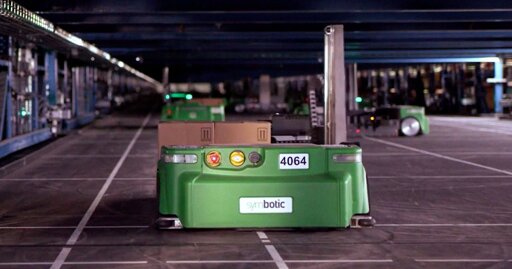
Throughput primarily, the bottleneck is still shipping. These systems do allow for picking/packing faster as well but from a logistics standpoint if you want more output you just need more trucks.
How does it help in getting more revenue then? Demand wouldn’t change, right?
Businesses tend to bank on demand for products being functionally infinite over the long term. Because of this it tends to be a safe bet that you’ll make more money the quicker, and cheaper, you can get products on shelves.
This has held pretty true thus far, though personally I have to wonder if there’s an upper limit. Human’s have to have a upper tolerance for buying junk right?
In this scenario, as you said it’s not making the delivery quicker, is it right to assume that it’s making it cheaper? Is the cost of warehousing lower with robots?