

Ter Apel, a small, unassuming Dutch town near the German border, is a place tourists rarely have on their itinerary. There are no lovely old windmills, no cannabis-filled coffee shops and on a recent visit it was far too early for tulip season.
When foreigners end up there, it is for one reason: to claim asylum at the Netherlands’ biggest refugee camp, home to 2,000 desperate people from all around the world.
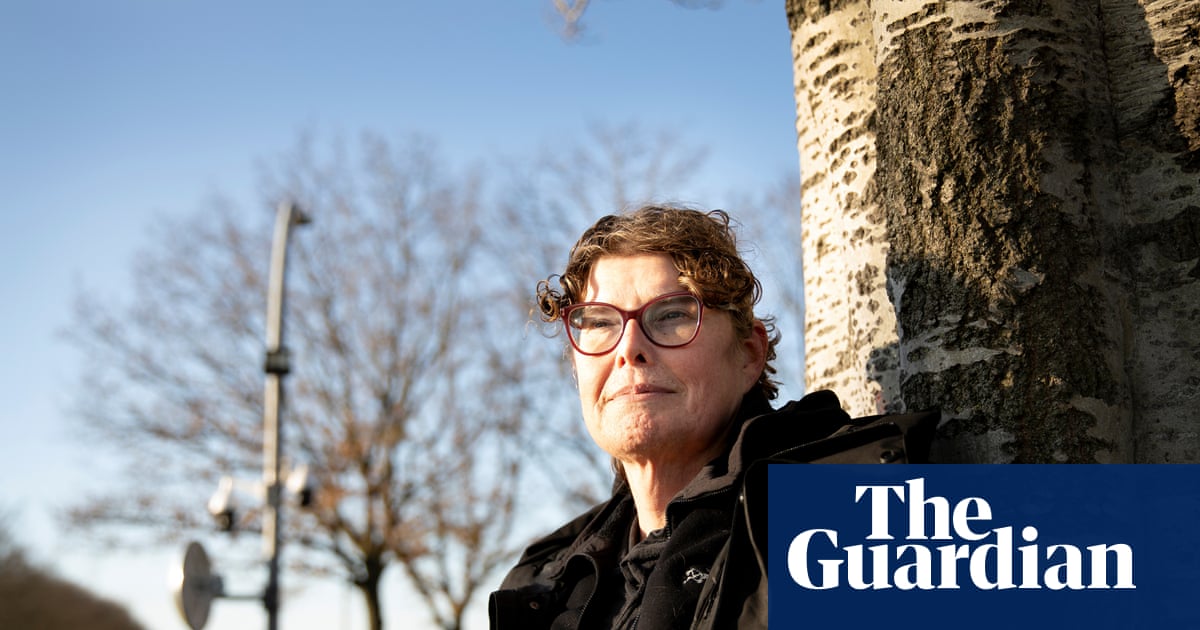
Many of the American refugees, like Jane-Michelle Arc, a 47-year-old software engineer from San Francisco, are transgender. In April last year she flew into Schiphol airport in Amsterdam and, sobbing, asked a customs officer how to claim asylum. “And they laughed because: what’s this big dumb American doing here asking about asylum? And then they realised I was serious.”
Arc said the US had become such a hostile environment for trans people that she had stopped leaving the house “unless there was an Uber waiting outside”. She said she had been abused on the street and using the ladies’ toilets, and resolved to leave the country after a frightening incident when she feared a woman was going to run her over with her truck.
Unfortunately, her case will almost surely be denied since the US has been designated a safe country by Dutch officials, and the trend in most of Europe, under pressure from racist voters and the surging popularity of fascism, is to make the already extremely strict asylum rules even stricter. In some cases (e.g. Denmark) refugee asylum has been all but abolished, in an egregious violation of treaties on assisting refugees (and preventing genocide).
The good news for people like Arc is that for US citizens it is overwhelmingly easier to obtain residency status legally in the EU in countries like the Netherlands, compared to getting a Green Card in the US. She probably should have figured that out before panicking and booking that flight.