So, like. Proprietary codecs are also pretty disgusting.
But what you’re not being told- I assume this didn’t occur to you rather than you’re being dishonest- is that you didn’t necessarily need those keys- the chip wasn’t a dedicated decoder chip- it was the GPU.
And you have no idea how much I despised Broadcom for pulling that shit. (And I’m not alone. Most of us pirated the keys out of sheer irritation.)
I just shared my opinion. I didn’t need those keys because I was not interested in using their proprietary codecs.
For what it matters, if Broadcom decided to license the IP for some hardware accelerator I don’t have anything against it. As long as they don’t make me pay for it when I don’t need it.
Dedicating a small portion of the silicon to optional features is cheaper than designing two separate silicons one with and one without such features.
Except that’s not what happened in the pi and that’s not what is happening in the cars.
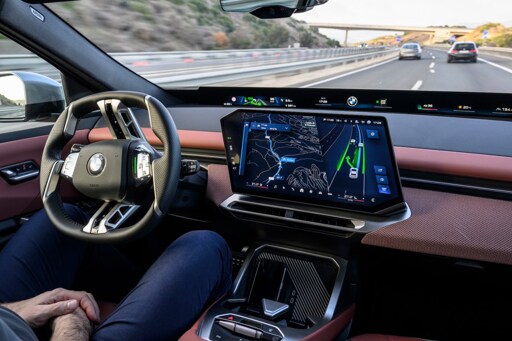
You’re paying for that hardware whether or not you also pay for the keys. You own that hardware. You would be offended if you bought a house and the previous owner said “oh and if you want to use the rooms, you’ll need to buy room keys”.
You should be offended at BMW. And Broadcom.
You get that, right?
R pi paid Broadcom for the chips. Then you paid r pi for the pi. Broadcom didn’t give anyone a discount there.
And you’re ignoring decades of scummy lawyering and lobbying to make the proprietary codec bullshit legal.
I think the idea is that the cost of producing standardized hardware is lower than the cost of producing a custom version without that codec just for the Raspberry Pi Foundation. The Raspberry Pi Foundation was not interested in that codec, so they didn’t buy a license. Separately, as a special agreement, they then allowed the few interested users to get a personal license directly from the IP owner. Sounds like a great solution to me.
Not sure if the same reasoning applies to BMW, though.


So, like. Proprietary codecs are also pretty disgusting.
But what you’re not being told- I assume this didn’t occur to you rather than you’re being dishonest- is that you didn’t necessarily need those keys- the chip wasn’t a dedicated decoder chip- it was the GPU.
And you have no idea how much I despised Broadcom for pulling that shit. (And I’m not alone. Most of us pirated the keys out of sheer irritation.)
I just shared my opinion. I didn’t need those keys because I was not interested in using their proprietary codecs.
For what it matters, if Broadcom decided to license the IP for some hardware accelerator I don’t have anything against it. As long as they don’t make me pay for it when I don’t need it.
Dedicating a small portion of the silicon to optional features is cheaper than designing two separate silicons one with and one without such features.
Except that’s not what happened in the pi and that’s not what is happening in the cars.
You’re paying for that hardware whether or not you also pay for the keys. You own that hardware. You would be offended if you bought a house and the previous owner said “oh and if you want to use the rooms, you’ll need to buy room keys”.
You should be offended at BMW. And Broadcom.
You get that, right?
R pi paid Broadcom for the chips. Then you paid r pi for the pi. Broadcom didn’t give anyone a discount there.
And you’re ignoring decades of scummy lawyering and lobbying to make the proprietary codec bullshit legal.
I think the idea is that the cost of producing standardized hardware is lower than the cost of producing a custom version without that codec just for the Raspberry Pi Foundation. The Raspberry Pi Foundation was not interested in that codec, so they didn’t buy a license. Separately, as a special agreement, they then allowed the few interested users to get a personal license directly from the IP owner. Sounds like a great solution to me.
Not sure if the same reasoning applies to BMW, though.