

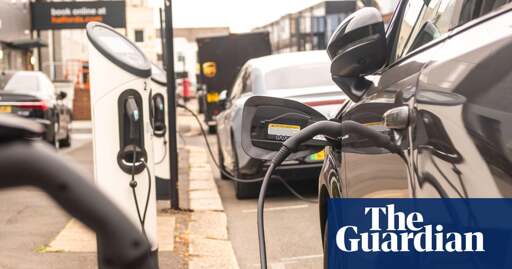
While most hybrids are said to use one to two litres of fuel per 100km, a study claims they need six litres on average

Plug-in hybrid electric cars (PHEVs) use much more fuel on the road than officially stated by their manufacturers, a large-scale analysis of about a million vehicles of this type has shown.

The Fraunhofer Institute carried out what is thought to be the most comprehensive study of its kind to date, using the data transmitted wirelessly by PHEVs from a variety of manufacturers while they were on the road.

. . .

According to the study, the vehicles require on average six litres per 100km, or about 300%, more fuel to run than previously cited.

The scientists of the Fraunhofer Institute found that the main reason for the higher-than-stated fuel usage was due precisely to the fact that the PHEVs use two different modes, the electric engine and the combustion engine, switching between both. Until now it has been claimed by manufacturers that the vehicles used only a little or almost no fuel when in the electric mode. The studies showed that this was not in fact the case.

MBFC
Archive

  • cv_octavio@piefed.ca
    link
    fedilink
    English
    arrow-up
    1
    ·
    6 hours ago

    FWIW: https://en.wikipedia.org/wiki/Hybrid_vehicle_drivetrain

    Parallel hybrid systems have both an internal combustion engine and an electric motor that can both individually drive the car or both coupled up jointly giving drive. This is the most common hybrid system as of 2016.

    It’s definitely no longer 2016, but this is the type of hybrid I am referring to. 2 engines provide power, meaning 2 points of maintenance and potential failure. This was what dissuaded me from buying one and pushed me to full BEV (circa 2020)

    IMO No matter which way you slice it, a BEV with its ONE gear has less moving parts, less whirling bits to time with belts, and less complexity. Less to go wrong, less to keep lubricated.

    The only advantage I can think of on a hybrid is less weight (so stopping in an emergency or on wet pavement). Where I live the charging infrastructure is dense enough that range is no longer ever an issue.

    Apparently though even the fuel savings are exaggerated per this article.