

cross-posted from: https://lemmy.zip/post/59925291
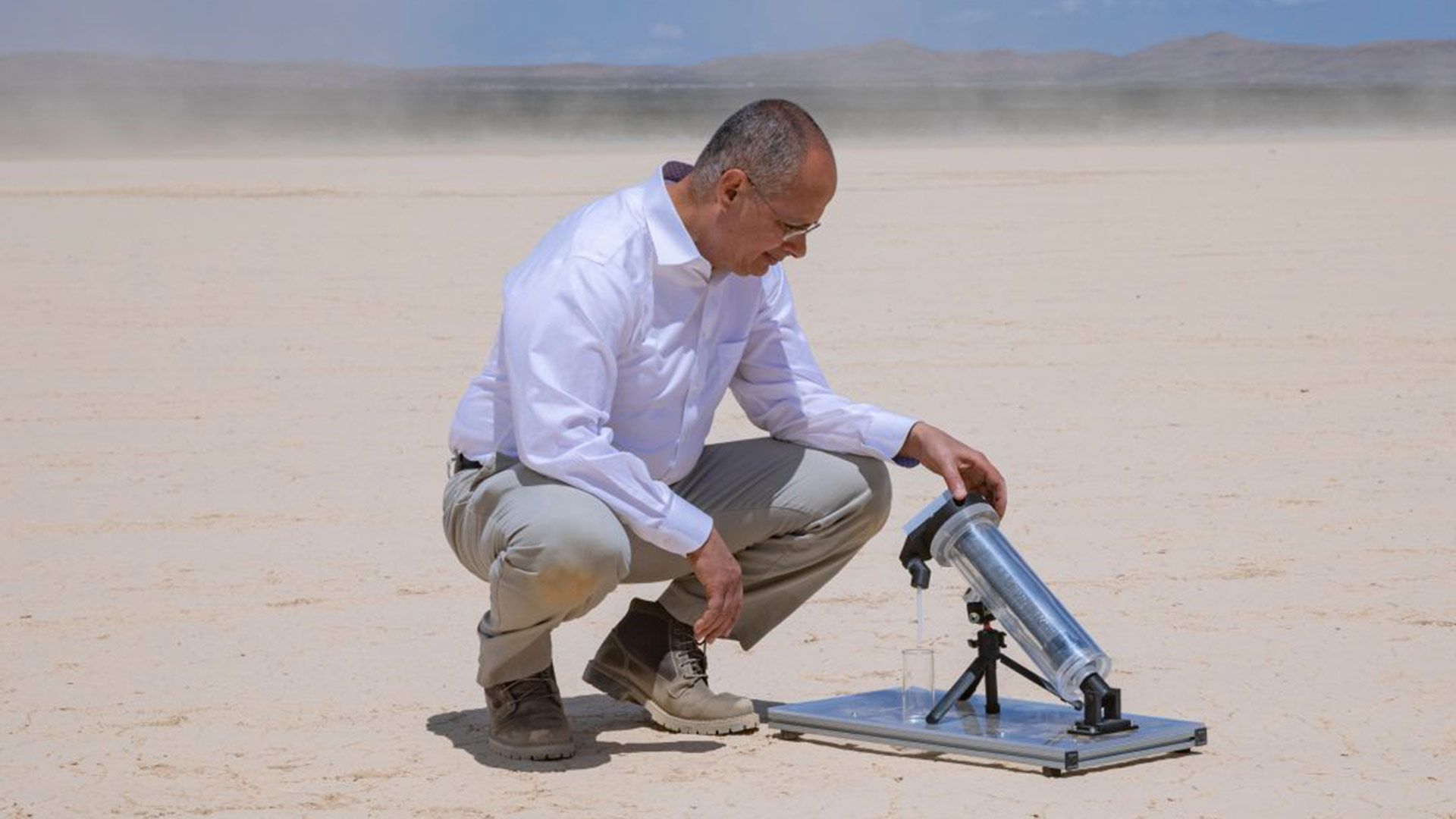
The system can function in air with 20% humidity or less. But these 1,000 liter a day machines are not small, at around shipping container size.
cross-posted from: https://lemmy.zip/post/59925291
The system can function in air with 20% humidity or less. But these 1,000 liter a day machines are not small, at around shipping container size.
Thanks for your answer! I feel like that makes sense on a global scale, but mightn’t local and regional scales be more impacted? We already know that the transpiration from forests affects rain patterns, and the forests don’t need to be huge either.
Also, some ecosystems might be particularly vulnerable. For example, redwood trees actually absorb most of their water through their leaves from fog and mist. Could a local humidity harvesting plant potentially pull enough water from the air that the osmotic pressure is reduced below what redwoods need to absorb water? I suspect the answer is actually no for this particular examole, but my point is that powerful technologies like these must be thought through, especially if someone is claiming zero side effects. The time is long past for humanity to learn a little caution with potential climate changing technologies.
As for local or regional scales, yes there could be impacts. I’m not quite as well versed in how trees affect the environments, but I suspect a local water-from-air farm would have some impacts on a local scale. If we had some data on how redwood trees absorb based on the different environmental conditions, I could run some numbers to figure out the differences and see how it would be affected.
Agreed on the impacts though, this isn’t a zero impact technology, but compared to the direct competitors it is trying to replace (groundwater harvesting or desalination), it is an improvement. A mindset I like to apply is that humanity will need water regardless of how they get it. New technologies should provide a solution that is lower impact, along with a financial incentive (cost).