

- cross-posted to:
- biology@mander.xyz
- cross-posted to:
- biology@mander.xyz
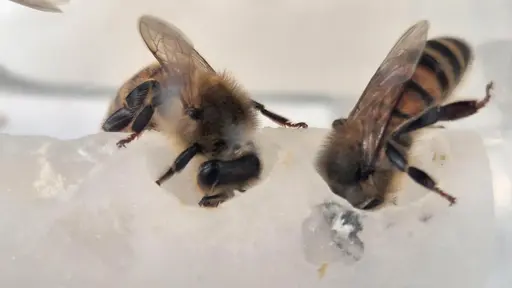
Using CRISPR-Cas9, scientists engineered a yeast to produce the nutrient feed. Farmers could have it in two years.
Using CRISPR-Cas9, scientists engineered a yeast to produce the nutrient feed. Farmers could have it in two years.
True but at the same time bees help spread pollinating plants - it’s a two way relationship. They may be commercialised for crops, but they will go to any plants in range and contribute to their spread.
So a method of increasing bee populations may also be helpful in spreading wildflowers and speeding up rewilding efforts.
In addition dramatically increasing bee populations may help resolve issues with pollination such as in some regions of China where damage is so bad that hand pollination is needed for crops. Restoring bee pollinators in those areas may increase crop yields, which in turn reduces the general pressure globally on expanding the use of fertile land for farming.
So while crop/pollen diversity is certainly very important, this kind of research still has potentially big benefits for the environment both in the fight to rewild and slow the spread of land use being moved to farming.