

- cross-posted to:
- biology@mander.xyz
- cross-posted to:
- biology@mander.xyz
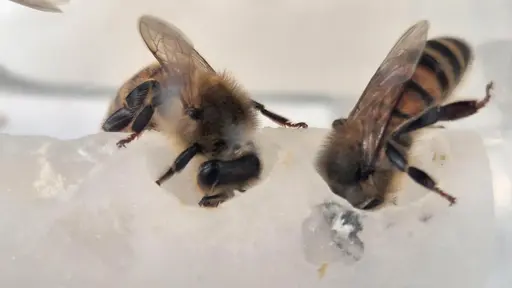
Using CRISPR-Cas9, scientists engineered a yeast to produce the nutrient feed. Farmers could have it in two years.
Using CRISPR-Cas9, scientists engineered a yeast to produce the nutrient feed. Farmers could have it in two years.
I’m sure things are different in different parts of the world, but where I’m from, pretty much none of the big crop farms let fields lay truly fallow. Most of them plant various cold season cover crops that include things like clover, brassicas, and legumes like vetch. Those all produce lots of flowers that feed the bees in the off season.
The issue with wildflower meadows, and correct me if I’m wrong, is that most of those wildflowers bloom at times when the fields would otherwise be needed for crop production. Of course, there are farmers who skip planting at all some years, but in my neck of the woods, nobody does that. They plant every year, at least once, they just rotate different crops in and out. Corn one year. Hay then soy, the next. And so on.
Bee extinction means no polination, no polination means no crops; penny wise and pound foolish.
Bee extinction means drastically fewer crops and less pollination, but not no crops. It would be devastating, but there would still be agriculture. Lots of staple crops are wind pollinated and don’t rely on insects at all. But for the rest of our food, that would all become very expensive and widely unavailable.