From a quick check, their anti-cannabis laws seems to be not really that old as far as culture goes (and might be related to British colonization, also tied at the hip with opium)
Also:
For recreational usage cannabis is not legal. However, cannabis plays a major role in the traditional culture of the island, with the specific Sinhalese or Sanskrit names virapati (“hero-leaved”), capta (“light-hearted”), ananda (“bliss”), trilok kamaya (“desired in three worlds”) and harshini (“the rejoicers”) indicating its various properties, such as inducing euphoria and heightening sexual energy.
That said, the amount here in this specific case (along with related monk-drug headlines) seems excessive* to the point where I wonder if it was a trade/running/money thing.
If it were legal and solely for their own use it would be much better for them to grow and process their own plants (and consume without combustion).
* unless maybe it was actually for way more than 22 monks, I don’t know how long (properly stored) it could last but maybe over many years (and accounting for bulk losses) prohibition could actually make the numbers make sense
In the 80s, 90s they had a huge addiction problem in SEA and Thailand, being part of the golden triangle. They are understandably kinda anti-drugs since then.


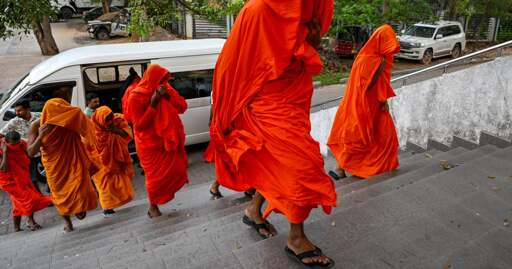
This is a different country with different cultural values
Their cultural values are wrong.
By what measure?
By measure of making someones life worse for a victimless crime.
Chapell Roan fan?
Cultural values that strip people of their freedom for something as harmless as cannabis possession don’t deserve respect.
On what basis?
Violating human rights is more harmful than cannabis usage/distribution/transport?
Which human rights were violated?
If you don’t think involuntary incarceration is in and of itself a violation of human rights there’s nothing to discuss here.
The right to do whatever the fuck I want with my body.
Nobody expects the kush-toting meth monks!
From a quick check, their anti-cannabis laws seems to be not really that old as far as culture goes (and might be related to British colonization, also tied at the hip with opium)
Also:
That said, the amount here in this specific case (along with related monk-drug headlines) seems excessive* to the point where I wonder if it was a trade/running/money thing.
If it were legal and solely for their own use it would be much better for them to grow and process their own plants (and consume without combustion).
* unless maybe it was actually for way more than 22 monks, I don’t know how long (properly stored) it could last but maybe over many years (and accounting for bulk losses) prohibition could actually make the numbers make sense
In the 80s, 90s they had a huge addiction problem in SEA and Thailand, being part of the golden triangle. They are understandably kinda anti-drugs since then.
Thailand was very famously not colonisedIt was Sri Lanka, oops
They were arrested in Sri Lanka though.