Sodium ion batteries would be better for grid storage. They’re cheaper, more durable, and work in a wider range of temperatures. Plus they’re going to market within the year
My understanding is these come with density issues. Basically they need significantly more space. Definently should be scalable for most utilities. Although some in more urban contexts may struggle to find the space initially. Maybe old fossil fuel plants can be refitted.
Not useful for at home systems either, but I hope they continue to improve to that point
They need about 30-50% more space that Lithium Ion, yes. Of course, people love to compare this even though lithium ion isn’t used anyway for the same application because it only lasts for 500 charge cycles where first gen sodium already lasted for 3000.
But in a country where data centers the size of major cities are being put everywhere, space is literally a non-issue.
But that is comparing them to lithium ion and LiPo. They have a ton of advantages over lithium ion.
They are really competing against lithium iron phosphate which are EV and grid storage batteries. There, the very first gen still has like 20% less density than them but 2nd gen batteries are looking at exactly thr same density as lithium iron phospate. Now they are both fire-safe (sodium even better) and the difference is essentially cost (big sodium win), temperature performance (big sodium win, and discharge rate (LiFePO win over first gen) because they both have very high battery life.
The only reason sodium ion wasn’t picking up (and I mean the only) is because lithium prices crashed and 90% of the companies developing it were startups, so of course the venture capitalist parasites rug pulled the funding because they are so incredibly short sighted that they can’t stand not having immediate maximum profit (even though lithium prices will go back up eventually at a much, much, much faster rate than sodium and is significantly more harmful to mine)


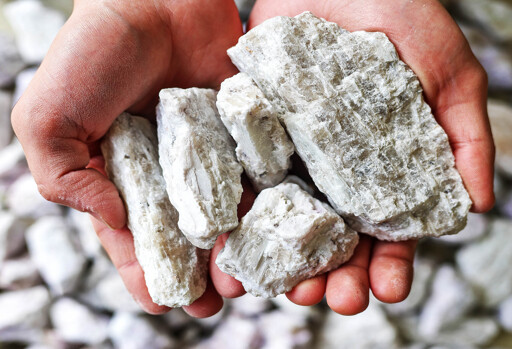
Brighter note, to date is still the best way to make batteries, we need it to build storage capabilities for a grid based on renewable energy.
Unfortunately we’ll probably end up using it for disposable vapes instead
That Donut Labs weight test will come any day now.
Sodium ion batteries would be better for grid storage. They’re cheaper, more durable, and work in a wider range of temperatures. Plus they’re going to market within the year
My understanding is these come with density issues. Basically they need significantly more space. Definently should be scalable for most utilities. Although some in more urban contexts may struggle to find the space initially. Maybe old fossil fuel plants can be refitted.
Not useful for at home systems either, but I hope they continue to improve to that point
They need about 30-50% more space that Lithium Ion, yes. Of course, people love to compare this even though lithium ion isn’t used anyway for the same application because it only lasts for 500 charge cycles where first gen sodium already lasted for 3000.
But in a country where data centers the size of major cities are being put everywhere, space is literally a non-issue.
But that is comparing them to lithium ion and LiPo. They have a ton of advantages over lithium ion.
They are really competing against lithium iron phosphate which are EV and grid storage batteries. There, the very first gen still has like 20% less density than them but 2nd gen batteries are looking at exactly thr same density as lithium iron phospate. Now they are both fire-safe (sodium even better) and the difference is essentially cost (big sodium win), temperature performance (big sodium win, and discharge rate (LiFePO win over first gen) because they both have very high battery life.
The only reason sodium ion wasn’t picking up (and I mean the only) is because lithium prices crashed and 90% of the companies developing it were startups, so of course the venture capitalist parasites rug pulled the funding because they are so incredibly short sighted that they can’t stand not having immediate maximum profit (even though lithium prices will go back up eventually at a much, much, much faster rate than sodium and is significantly more harmful to mine)
No, they’re perfectly fine for home systems
Density issues for grid storage is fairly negligible compared to cars and handheld electronica
Yeah plus less risk of fires makes it even more worth it.
Iirc if proper safety is employed for lithium ion, the density difference is negligible.
I see so many of those disposed of on the street near a vape store and it drives me nuts.