In the general case, the person or persons who distributed the binary would then have done so illegally. In order to distribute, you have to follow the terms of the license. So them attempting to go after anyone downstream of them at that point is sort of like calling the police because someone stole your drug stash. And if there’s an upstream beyond the illegal distributors, they’re practically waving a “Sue me now!” placard in their direction.
The originator of the code, above whom there is no upstream, is allowed to offer it under more than one license (including a mixture of free and closed licenses), but the specific license in force has to be specified with each distributed copy.
The first one that comes to mind is Qt (the widget toolkit). While I’m not sure the current owners still do this, Trolltech offered the earlier versions under both the GPL and a commercial license that I think included paid support. I assume any sales under the commercial license were to companies who wanted to include it in their closed-source software.


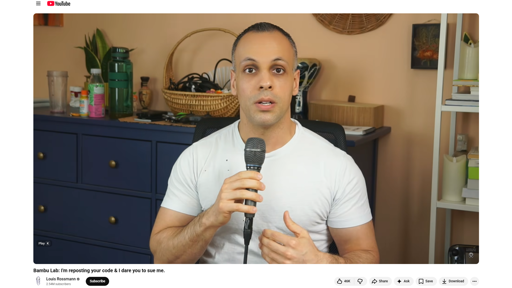
In the general case, the person or persons who distributed the binary would then have done so illegally. In order to distribute, you have to follow the terms of the license. So them attempting to go after anyone downstream of them at that point is sort of like calling the police because someone stole your drug stash. And if there’s an upstream beyond the illegal distributors, they’re practically waving a “Sue me now!” placard in their direction.
The originator of the code, above whom there is no upstream, is allowed to offer it under more than one license (including a mixture of free and closed licenses), but the specific license in force has to be specified with each distributed copy.
Do you have an example of a project that has both free and commercial licenses? How does that work in practice?
The first one that comes to mind is Qt (the widget toolkit). While I’m not sure the current owners still do this, Trolltech offered the earlier versions under both the GPL and a commercial license that I think included paid support. I assume any sales under the commercial license were to companies who wanted to include it in their closed-source software.