


True ‘skeletonization’ also includes the trimming away of any non-essential metal on the bridge, plate, wheel train or any other mechanical part of the watch, leaving only a minimalist ‘bare’ skeleton of the movement required for functionality.
True ‘skeletonization’ also includes the trimming away of any non-essential metal on the bridge, plate, wheel train or any other mechanical part of the watch, leaving only a minimalist ‘bare’ skeleton of the movement required for functionality.
Okay neat but why? Does look practically to tell time. Reminds me the time the Fossil Watch store sold sundail watches.
The image I posted is of the back of one. https://en.wikipedia.org/wiki/Skeleton_watch
Okay now that looks cool.
Why is for aesthetics. I have a pocket watch like this. I think the gear work is beautiful in its own way, and the front of it is like any normal watch face (just with a transparent face so you can see behind it).
My pocketwatch:
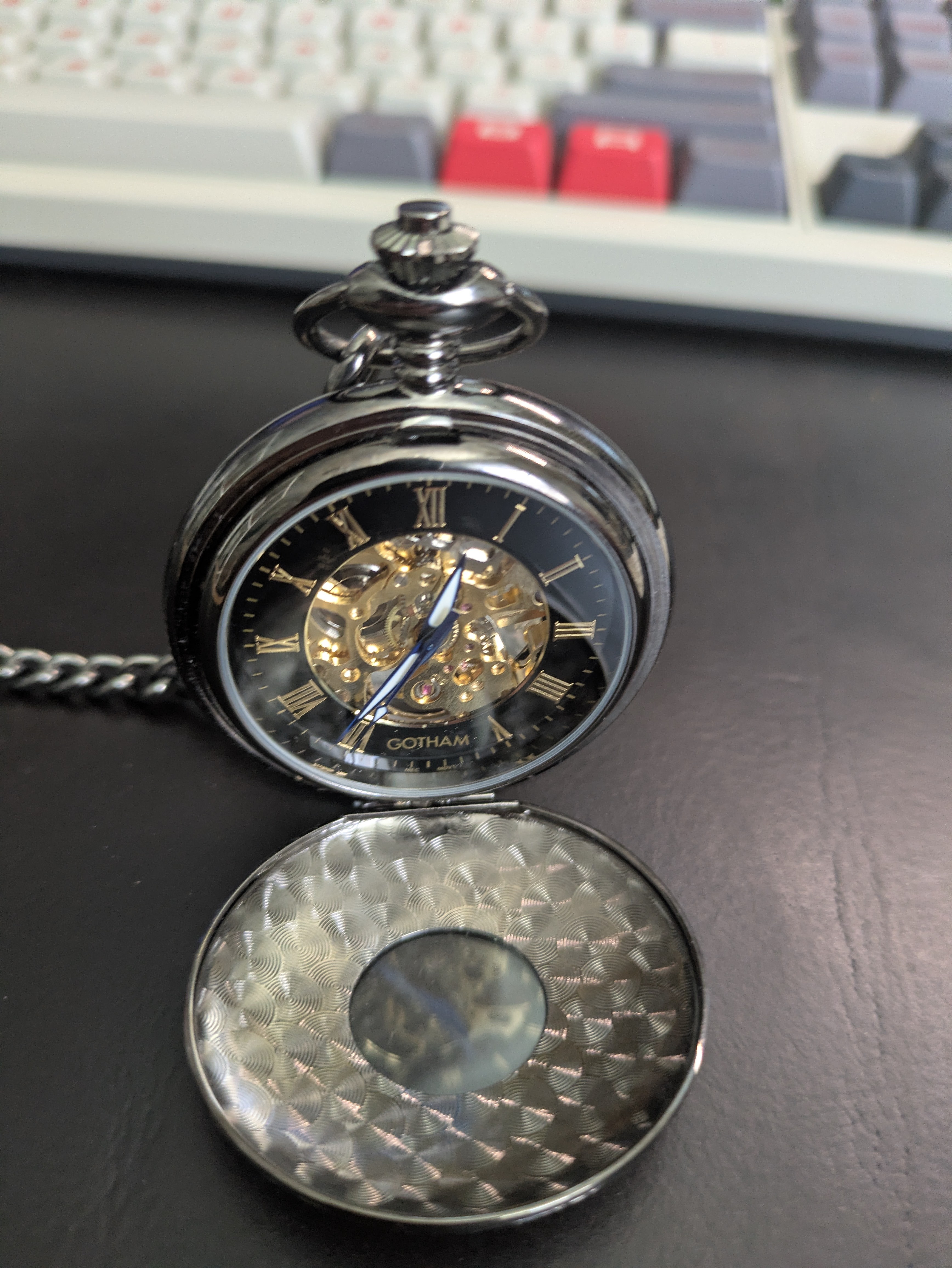
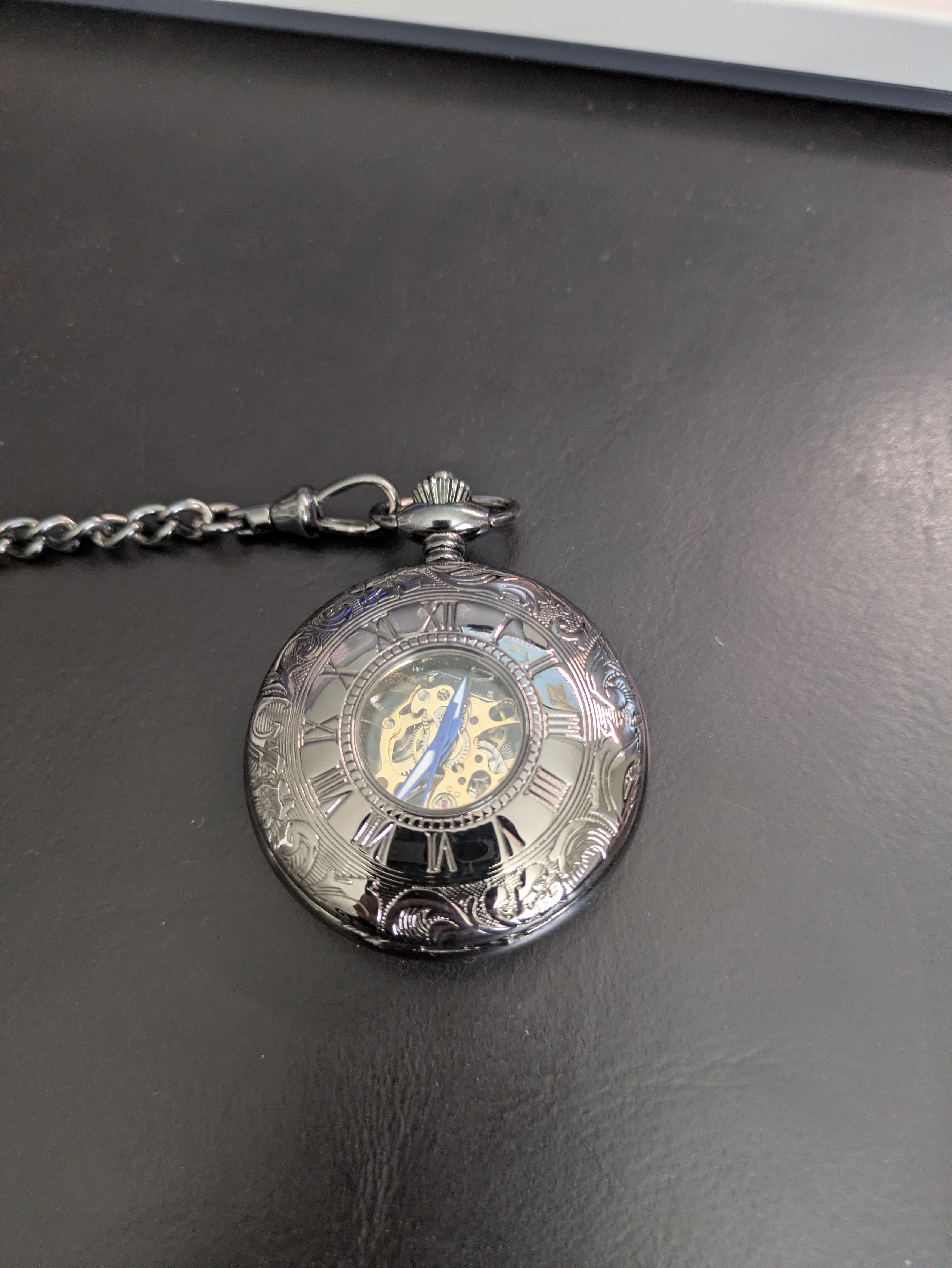
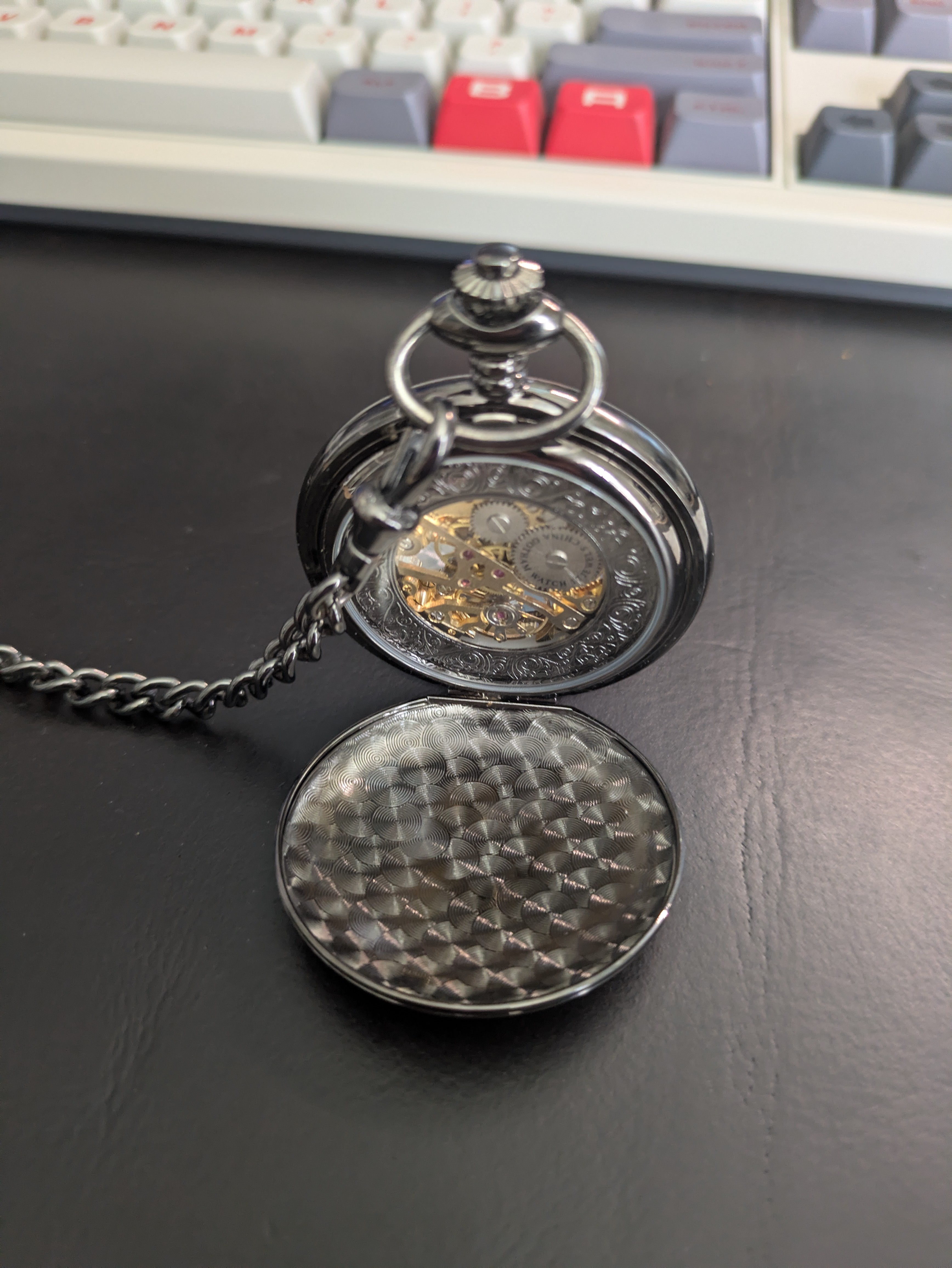
That’s a gorgeous one!
I am such a sucker for that jeweled polishing.
I think this does work better for pocket watches. I have a couple of wrist watches like this and I always have to take it off to show how cool the back is, which I feel defeats the purpose. The pocket watch I own that has this look is very easy flip around.
Seiko invented the self-winding watch, which has a big counterweight on the back, so as you moved around, the counterweight swung around, naturally winding the watch throughout your day. It was a notable innovation, and kind of confusing to describe, so Seiko put glass backings on their watches so you could watch the counterweight swing. I believe that was the event that made it a mainstream trend. Flashier brands like Seiko and Swatch were big fans of it, but higher end brands like Rolex and Breitling tend to avoid it to make a “We’re not like the others” kinda statement.