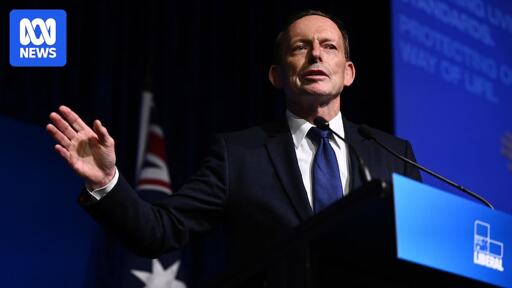
Former prime minister Tony Abbott says he is ready to serve the Liberal Party in its time of 'existential crisis' upon his return to the political stage.
We want the right to crumble so politics moves further left, no?
Why would the sole party of governance, Labor, move to the left if they can win elections unopposed? They haven’t given any indication that they plan to do this despite being in their second term whilst the Coalition dies out and the right fragments. Additionally, the main left wing party (The Greens) stalled at the last election and provides little threat.
The only semi-realistic threat right now is a far right cooker party in One Nation and Labor doesn’t need to move left to combat them either.
This presupposes that parties that be are static, that no new challengers are possible and that Labor is the “sole party of governance” (which is a pretty undemocratic notion). It also pretends that people will continue to vote Labor indefinitely just because the LNP doesn’t exist.
The Greens, to some degree, purposefully position themselves as the party to “work with” the Labor party, and extract concessions from them. Which historically has been pretty meh if you ask me (they royally dicked around with the ETS and called that a victory, for example). They’re also barely a left wing party: they talk about workers rights, yet don’t push to undo the Accords (which means striking is illegal except for protected industrial action, thanks Labor!), they want dental into Medicare, but see no reason to campaign for abolishing our system and replacing it with actual universal healthcare (we have a private subsidy model, with a bit of public healthcare sprinkled in). Their party is one who want to manage capitalism better and tax companies and the wealthy some more - not abolish the power structures that allow the wealthy to retain the monopoly on decision making in society, and put agency in the hands of the workers (i.e. socialism). They think the solution to our problems is to get “good people” to the levers of power. They’re quite fine with capitalism. That’s not very left wing, if you ask me.
Moving politics left isn’t about moving the Labor party left. The Labor party has and continues to move to the right. They are a lost cause and anyone who’s still a member, despite it all, is on board with that.
The only semi-realistic threat right now is a far right cooker party in One Nation and Labor doesn’t need to move left to combat them either.
Exactly my point. Having a “strong opposition” of a right wing party does nothing to move politics further left. And anchors the average opinion further right.
Do we really think the Labor party would have changed capital gains the way they did if right wing politics in Australia weren’t in shambles (yeah, One Nation is rising, but they’re so far much less effective in convincing wealthy people about much of anything).
In conclusion, yeah, can’t wait for the LNP to die. Not that I think that’ll be enough to usher in meaningful change. That will only come from grassroots organising.
I want the Overton window to shift so the opposition is a centerist party. I also don’t want a singular party state which often happens if you get an extreme left or extreme right - I actually prefer mixed member proportionality with a concentrated left leaning bias.
I personally don’t think that “extreme left” equals a single party state.
I think extreme left is abolishing private control of capital, not necessarily something like stalinism.
To me, socialism necessarily means democratic control of society by and for the workers and people. Authoritarian states (current and past), in my opinion, cannot be considered socialist because they are/were authoritarian and created a new ruling class - just based on party position rather than wealth.
I think the notion of people ever 100% agreeing is absurd, so there’ll always be different parties/factions/groups - provided you’re actually committed to democracy, which any true socialist is.
The “far left” quality of a party, under my worldview, is concerned with what you think about the control of capital, rather than what you think about how decisions should get made (through democracy or dictatorship).
Though, I will also admit that I am very biased, that I believe a truly democratic far right society is impossible, because of the influence of concentrations of money over politics.
I actually prefer mixed member proportionality with a concentrated left leaning bias.
I encourage people to think beyond tinkering with how we vote for our representatives, to notice that even with our representatives being elected, they’re only beholden to us ever 3/4 years (or 6 in the case of senators), and in the meantime they’re able to scratch backs and get sweet cushy jobs after they’re done, and/or a sweet parliamentary pension.
Community organisations mostly have a right of recall over their elected positions, based on varying thresholds depending on their org’s rules. It’s wild that we don’t have this ability at a federal or state level.
Though, I also agree we should still tinker with the voting system in the meantime. I would love lower house seats to be MMP as you suggest. My pet idea is to increase the number of lower house seats by 50%, and then send 3 members from 75 electorates (combine current electorates in 2s).
Retains the local nature of the candidates (and they should try spread themselves out across the electorate), while providing better representation in the lower house.

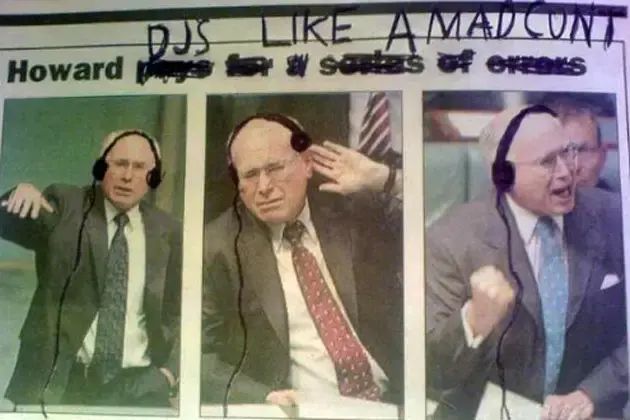
Wat.
I don’t think those two positions work together.
We want the right to crumble so politics moves further left, no?
Why would the sole party of governance, Labor, move to the left if they can win elections unopposed? They haven’t given any indication that they plan to do this despite being in their second term whilst the Coalition dies out and the right fragments. Additionally, the main left wing party (The Greens) stalled at the last election and provides little threat.
The only semi-realistic threat right now is a far right cooker party in One Nation and Labor doesn’t need to move left to combat them either.
This presupposes that parties that be are static, that no new challengers are possible and that Labor is the “sole party of governance” (which is a pretty undemocratic notion). It also pretends that people will continue to vote Labor indefinitely just because the LNP doesn’t exist.
The Greens, to some degree, purposefully position themselves as the party to “work with” the Labor party, and extract concessions from them. Which historically has been pretty meh if you ask me (they royally dicked around with the ETS and called that a victory, for example). They’re also barely a left wing party: they talk about workers rights, yet don’t push to undo the Accords (which means striking is illegal except for protected industrial action, thanks Labor!), they want dental into Medicare, but see no reason to campaign for abolishing our system and replacing it with actual universal healthcare (we have a private subsidy model, with a bit of public healthcare sprinkled in). Their party is one who want to manage capitalism better and tax companies and the wealthy some more - not abolish the power structures that allow the wealthy to retain the monopoly on decision making in society, and put agency in the hands of the workers (i.e. socialism). They think the solution to our problems is to get “good people” to the levers of power. They’re quite fine with capitalism. That’s not very left wing, if you ask me.
Moving politics left isn’t about moving the Labor party left. The Labor party has and continues to move to the right. They are a lost cause and anyone who’s still a member, despite it all, is on board with that.
Exactly my point. Having a “strong opposition” of a right wing party does nothing to move politics further left. And anchors the average opinion further right.
Do we really think the Labor party would have changed capital gains the way they did if right wing politics in Australia weren’t in shambles (yeah, One Nation is rising, but they’re so far much less effective in convincing wealthy people about much of anything).
In conclusion, yeah, can’t wait for the LNP to die. Not that I think that’ll be enough to usher in meaningful change. That will only come from grassroots organising.
I want the Overton window to shift so the opposition is a centerist party. I also don’t want a singular party state which often happens if you get an extreme left or extreme right - I actually prefer mixed member proportionality with a concentrated left leaning bias.
I personally don’t think that “extreme left” equals a single party state.
I think extreme left is abolishing private control of capital, not necessarily something like stalinism.
To me, socialism necessarily means democratic control of society by and for the workers and people. Authoritarian states (current and past), in my opinion, cannot be considered socialist because they are/were authoritarian and created a new ruling class - just based on party position rather than wealth.
I think the notion of people ever 100% agreeing is absurd, so there’ll always be different parties/factions/groups - provided you’re actually committed to democracy, which any true socialist is.
The “far left” quality of a party, under my worldview, is concerned with what you think about the control of capital, rather than what you think about how decisions should get made (through democracy or dictatorship).
Though, I will also admit that I am very biased, that I believe a truly democratic far right society is impossible, because of the influence of concentrations of money over politics.
I encourage people to think beyond tinkering with how we vote for our representatives, to notice that even with our representatives being elected, they’re only beholden to us ever 3/4 years (or 6 in the case of senators), and in the meantime they’re able to scratch backs and get sweet cushy jobs after they’re done, and/or a sweet parliamentary pension.
Community organisations mostly have a right of recall over their elected positions, based on varying thresholds depending on their org’s rules. It’s wild that we don’t have this ability at a federal or state level.
Though, I also agree we should still tinker with the voting system in the meantime. I would love lower house seats to be MMP as you suggest. My pet idea is to increase the number of lower house seats by 50%, and then send 3 members from 75 electorates (combine current electorates in 2s).
Retains the local nature of the candidates (and they should try spread themselves out across the electorate), while providing better representation in the lower house.
Thanks for engaging with me on this!