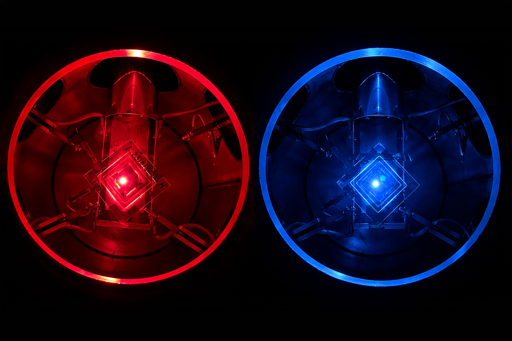
MIT researchers devised a way to extend the lifespan of quantum dot LEDs by encapsulating them in an acrylate-based resin. The approach could enable the development of more energy-efficient displays with brighter colors.
Sounds like it could be really useful for VR displays. The best optics for VR right now use polarizers to fold the optical path repeatedly through the same lens, but a side effect is that only a small portion of the light makes it to the users’ eyes.
Could also extend the battery life of phones; the display is the main power draw for most phones, and the higher brightness make that worse.
I understand why people are reacting badly to these being described as “brighter,” but it does also mean “more energy efficient for the same brightness.”
I understand why people are reacting badly to these being described as “brighter,” but it does also mean “more energy efficient for the same brightness.”
Exactly, it’s all relative. What “brighter” really means in this context is more energy converted to light, less energy wasted to heat - which is entirely a good thing.


Sounds like it could be really useful for VR displays. The best optics for VR right now use polarizers to fold the optical path repeatedly through the same lens, but a side effect is that only a small portion of the light makes it to the users’ eyes.
Could also extend the battery life of phones; the display is the main power draw for most phones, and the higher brightness make that worse.
I understand why people are reacting badly to these being described as “brighter,” but it does also mean “more energy efficient for the same brightness.”
Exactly, it’s all relative. What “brighter” really means in this context is more energy converted to light, less energy wasted to heat - which is entirely a good thing.