The advantage of a humanoid robot lies in versatility. With specialized robots, you need a robot per task, and that means you need a separate supply chain to build each one, you need to store replacement parts for them individually, and you need to get a robot for each task you’re doing even if you’re not doing them concurrently. Then if the nature of the task changes then the robot becomes useless.
A humanoid robot can perform a wide range of tasks, you have a single supply chain with a single set of parts to repair them, and if you have new types of work, then you can use the same robots to do that too.
It’s a tradeoff, versatility comes at the cost of never being quite as good as specialization. It makes sense in some contexts, but I think most robots are always going to be specialized.


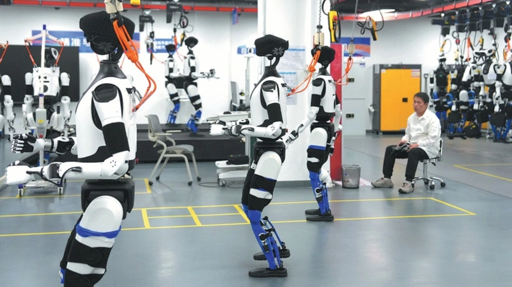
The advantage of a humanoid robot lies in versatility. With specialized robots, you need a robot per task, and that means you need a separate supply chain to build each one, you need to store replacement parts for them individually, and you need to get a robot for each task you’re doing even if you’re not doing them concurrently. Then if the nature of the task changes then the robot becomes useless.
A humanoid robot can perform a wide range of tasks, you have a single supply chain with a single set of parts to repair them, and if you have new types of work, then you can use the same robots to do that too.
It’s a tradeoff, versatility comes at the cost of never being quite as good as specialization. It makes sense in some contexts, but I think most robots are always going to be specialized.
Exactly, if you have a well ironed out process that’s not going change often then specialization makes a lot more sense.