Those that want It that day, if the whole lot is fresh pay the regular, when a week goes by and it will be “expired” some new stock will come in, so now you still have new choice or discounted on older stock. Its a win win and doesn’t do the 40% spoilage we have now.
Its how it used to be decades ago when a human was actually placing price tags on items.
I also see this model work in sports shops that do consignment.
You drop off you mountain bike, they price at $600, each month the price drops 5-10% until an agreed minimum. This way they rotate stock quicker, seller will eventually get a sale, and the buyer either anaps it up when they see the item to ensure nobody get is later. You could wait a month and hope for price reduction, but there’s a chance of somebody else grabbing it.
Seems to work pretty well here in the UK. Shops reduce stuff near the end of its self life to reduce how much is wasted.
You can wait if you want it cheaper, but you are getting lower quality food near the end of its self life. Not everyone wants that. It works really well, though more could still be done to reduce waste.
I have heard of mystery boxes of end of life products being done before, love the idea but haven’t seen it implemented locally and they don’t normally keep it up for long. Shame really. Could make for a good stew, just throw all the things in.


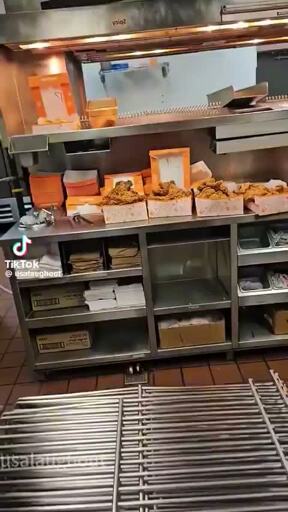
But then people juat wait and buy it cheaper.
So you’d rather toss it? Nice.
Those that want It that day, if the whole lot is fresh pay the regular, when a week goes by and it will be “expired” some new stock will come in, so now you still have new choice or discounted on older stock. Its a win win and doesn’t do the 40% spoilage we have now.
Its how it used to be decades ago when a human was actually placing price tags on items.
I also see this model work in sports shops that do consignment. You drop off you mountain bike, they price at $600, each month the price drops 5-10% until an agreed minimum. This way they rotate stock quicker, seller will eventually get a sale, and the buyer either anaps it up when they see the item to ensure nobody get is later. You could wait a month and hope for price reduction, but there’s a chance of somebody else grabbing it.
Seems to work pretty well here in the UK. Shops reduce stuff near the end of its self life to reduce how much is wasted.
You can wait if you want it cheaper, but you are getting lower quality food near the end of its self life. Not everyone wants that. It works really well, though more could still be done to reduce waste.
I have heard of mystery boxes of end of life products being done before, love the idea but haven’t seen it implemented locally and they don’t normally keep it up for long. Shame really. Could make for a good stew, just throw all the things in.