

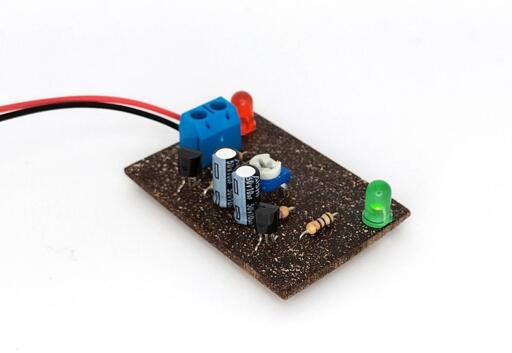
Instead of disposing of this biomass waste, the team processes it into a plastic-like material through an innovative process involving molding and air-drying, resulting in a small, approximately 0.5 cm thick plate with a density of 1.23 g/cm³, comparable to the density of conventional printed circuit boards (PCBs). Using direct ink writing or a standard etching process and manual soldering, the researchers were able to deposit electronic components directly onto the fungal plates.
That’s neat. Do we also have compostable components? If so, we could have fully compostable devices. :D
I know only a bit about bio-tech that comes from fungi, and people are working on it, but we’re not there yet to my understanding. As one example, researchers from The Ohio State University recently discovered that common edible fungi, such as shiitake mushrooms, can be grown and trained to act as organic memristors, a type of data processor that can remember past electrical states.
This one looks like that:
And here are some relevant articles, in case you feel like checking them out.
If you can compost the board you can recover the components / metals more easily … maybe?