

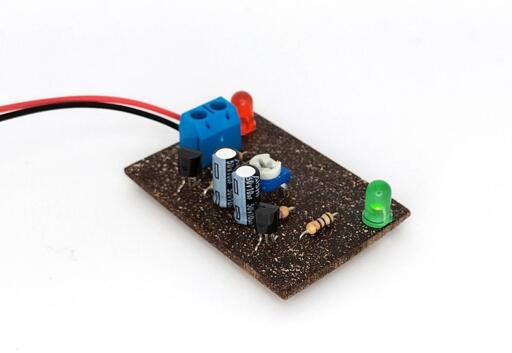
Instead of disposing of this biomass waste, the team processes it into a plastic-like material through an innovative process involving molding and air-drying, resulting in a small, approximately 0.5 cm thick plate with a density of 1.23 g/cm³, comparable to the density of conventional printed circuit boards (PCBs). Using direct ink writing or a standard etching process and manual soldering, the researchers were able to deposit electronic components directly onto the fungal plates.
Given how many are out there, anyone making a compostable RFID chip should get a prize.
The coil should be fairly easy. Just find something that’s conductive and compostable.
The tiny silicone chip will be much harder to replace.