

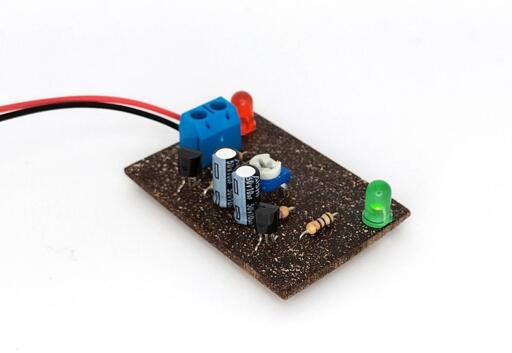
Instead of disposing of this biomass waste, the team processes it into a plastic-like material through an innovative process involving molding and air-drying, resulting in a small, approximately 0.5 cm thick plate with a density of 1.23 g/cm³, comparable to the density of conventional printed circuit boards (PCBs). Using direct ink writing or a standard etching process and manual soldering, the researchers were able to deposit electronic components directly onto the fungal plates.
I don’t know all the details, but the impression I get is that much of the popularity of disposable vapes has been driven by regulatory efforts to crack down on other aspects of vaping, even when the disposable vapes themselves are made illegal by them:
In general it seems like a complex issue with a variety of things behind it (at least one comment here implies that bans on taking vapes on planes also drives the use of disposables for instance), so if the goal is to address the e-waste part of the problem I could see how you might want a multi-pronged approach. But yeah compostable circuit boards isn’t really a total solution, those things also have lithium batteries etc.