I imagine all cases prosecuted for destruction of networked Flock and Axios cameras are going to struggle to get through a jury. It’s a clear privacy violation and everyone knows it.
While you are right, there are almost no laws in the US that protect privacy. Short of being in your own home with the blinds down, there is next to nothing working in your favor. The assumption is that you’re in “public” or clear view of the public, thusly, screw you.
Your pool? Clear view from the road. That douchenozzle with a drone, probably not breaking the law when he takes a video flying over. “Oh, I was looking at my own roof” or some bullshit.
There should be privacy laws. The world has changed so much, but most laws are stuck in the stone age and now sold to the highest bidder who actively monetizes the complete lack of privacy laws.
In the US, you can look up TONS of details about anyone’s house. From the sale price, the tax history, tons of details about it and even photos of the inside. In what normal world does that make sense?! Your employer sells your salary data to ADP who then sells it to any number of others. What the actual fuck?! Nobody asked for this, it’s opt-out only but the opt out expires. I did it a few years ago, and it’s back on again.
If privacy were not important, then there should not be bathroom doors.
We have legal precedent that the police cannot use GPS trackers. A similar case was opened for the APLs in traditional speed cameras, but they were determined to be constitutional since you have no expectation of privacy on a public road and a camera can’t be used to track you like GPS. The networked APLs accomplish the same result as GPS trackers just without technically using a GPS tracker.
There are plenty of privacy laws, but the catch is that you have to make an effort to create privacy. Putting your blinds down creates privacy. Building a roof over your pool and walls around your yard create privacy. There is just no expectation of privacy in public, and technically anything that can be seen from public is “in plain view”. Protecting your privacy is not a function of the state unless you had an expectation of privacy through explicit disclaimer or honest effort.
Just adding here, what is clear to all of us as Coaster indicated, that aggregate privacy and anonymity are what is really at stake here.
Sure, I’m in public and just walking around. I don’t have a right to privacy in those instants. Some jerk with a camera is within their rights to capture my image.
The other aspect of the laws, though, is that even a few years ago, that image was of an anonymous person. The photographer didn’t know who I was and couldn’t find out without asking me and if a cop wanted that picture they had to request it from the taker. Now, though, that image can be shuffled off to a giant datacenter to be processed and potentially figure out who I am, coordinating the time, place, clothing, activities, nearby people, and myriad other details and the tech companies have no problem handing it over that information without any of the humans ever knowing.
I think the simplest solution is that any LEO querying a company’s data about a private entity should require a warrant or subpoena. Data sharing agreements between companies and governments should be illegal.
The longer solution is that collecting and retaining this information “for business purposes” needs to be more heavily regulated. The current definitions of PII are out of date. PII should include things like location, likeness, mood, etc, and the history of those things. Look at what Walmart and others are doing with dynamic pricing, for example.
But if you are in public and i follow you nonstop, keeping track of where and when you go…well you would say i was stalking you. Why is it bad for me but ok for a network of cameras.
Companies are trying to prevent people switching jobs to get raises by creating a central database of all employees and their salaries. That way, when you try to find a new job they can pull up your salary history and not accidentally give you a 40% bump when your desperation factor clearly shows you’ll settle for 10%.
I assume adp is just one of those companies doing this, and you opt out by not participating in the economy.
Go here: https://employees.theworknumber.com/. Create account log in, surf through myriad of pages to find the way to opt out. It’s in there somewhere.


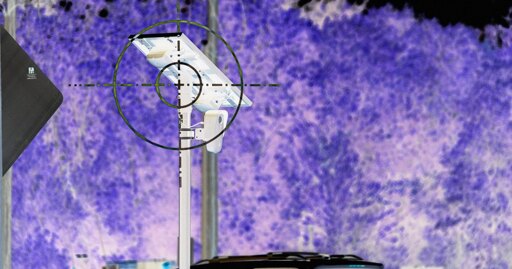
I imagine all cases prosecuted for destruction of networked Flock and Axios cameras are going to struggle to get through a jury. It’s a clear privacy violation and everyone knows it.
While you are right, there are almost no laws in the US that protect privacy. Short of being in your own home with the blinds down, there is next to nothing working in your favor. The assumption is that you’re in “public” or clear view of the public, thusly, screw you.
Your pool? Clear view from the road. That douchenozzle with a drone, probably not breaking the law when he takes a video flying over. “Oh, I was looking at my own roof” or some bullshit.
There should be privacy laws. The world has changed so much, but most laws are stuck in the stone age and now sold to the highest bidder who actively monetizes the complete lack of privacy laws.
In the US, you can look up TONS of details about anyone’s house. From the sale price, the tax history, tons of details about it and even photos of the inside. In what normal world does that make sense?! Your employer sells your salary data to ADP who then sells it to any number of others. What the actual fuck?! Nobody asked for this, it’s opt-out only but the opt out expires. I did it a few years ago, and it’s back on again.
If privacy were not important, then there should not be bathroom doors.
We have legal precedent that the police cannot use GPS trackers. A similar case was opened for the APLs in traditional speed cameras, but they were determined to be constitutional since you have no expectation of privacy on a public road and a camera can’t be used to track you like GPS. The networked APLs accomplish the same result as GPS trackers just without technically using a GPS tracker.
Is this not what an ankle monitor is?
There are plenty of privacy laws, but the catch is that you have to make an effort to create privacy. Putting your blinds down creates privacy. Building a roof over your pool and walls around your yard create privacy. There is just no expectation of privacy in public, and technically anything that can be seen from public is “in plain view”. Protecting your privacy is not a function of the state unless you had an expectation of privacy through explicit disclaimer or honest effort.
Just adding here, what is clear to all of us as Coaster indicated, that aggregate privacy and anonymity are what is really at stake here.
Sure, I’m in public and just walking around. I don’t have a right to privacy in those instants. Some jerk with a camera is within their rights to capture my image.
The other aspect of the laws, though, is that even a few years ago, that image was of an anonymous person. The photographer didn’t know who I was and couldn’t find out without asking me and if a cop wanted that picture they had to request it from the taker. Now, though, that image can be shuffled off to a giant datacenter to be processed and potentially figure out who I am, coordinating the time, place, clothing, activities, nearby people, and myriad other details and the tech companies have no problem handing it over that information without any of the humans ever knowing.
I think the simplest solution is that any LEO querying a company’s data about a private entity should require a warrant or subpoena. Data sharing agreements between companies and governments should be illegal.
The longer solution is that collecting and retaining this information “for business purposes” needs to be more heavily regulated. The current definitions of PII are out of date. PII should include things like location, likeness, mood, etc, and the history of those things. Look at what Walmart and others are doing with dynamic pricing, for example.
This definition of “privacy” just makes it an addon of property rights, rather than a human right.
How truly American.
But if you are in public and i follow you nonstop, keeping track of where and when you go…well you would say i was stalking you. Why is it bad for me but ok for a network of cameras.
We need 1 good lawyer to argue this case.
Wait wait… explain this ADP thing. How do I opt out?
Companies are trying to prevent people switching jobs to get raises by creating a central database of all employees and their salaries. That way, when you try to find a new job they can pull up your salary history and not accidentally give you a 40% bump when your desperation factor clearly shows you’ll settle for 10%.
I assume adp is just one of those companies doing this, and you opt out by not participating in the economy.
Plus blacklist, which happens accidentally with ai recruiters now
Go here: https://employees.theworknumber.com/. Create account log in, surf through myriad of pages to find the way to opt out. It’s in there somewhere.
Exactly. So juries will make their own decisions.