Beyond that, Sony argues that anyone who pays for a digital game inherently understands that they can’t own it because, if they did, no one else could have a copy. This concept appears to draw a distinction between a digital copy of a game and a physical object that only one person can have at a time.
Well, the article asks for a free trial to read the rest, so I’ll base myself off this.
Sony is correct that we don’t buy ownership of digital stuff, because digital stuff is effectively the same as whatever can be copyrighted. Anyone can start banging their desk, clapping their hands and sing “We will rock you” by Queen - but being able to play does not necessarily mean the people involved have the right to play. The same has been true with software for a very long time, probably since the beginning. You can execute any proprietary software on your computer and even though you can make copies, unless otherwise stated, you don’t have the rights to do so.
Now, in ye olden times, software came within physical media - tapes, diskettes, CDs, ROM chips. In theory, you owned the media and anything contained within, though that still didn’t give you rights to make copies. Not only that, since the DMCA passed, we lost the right to reverse engineer, further cementing the notion that we don’t own digital goods, even if we paid for them and have physical retail copies.
This is all a problem, but it would be significantly smaller if the stores actually sold a digital copy (which is, to my knowledge, how GOG handles it), instead of a limited access - via their store - to a copy, which they can also remove without prior notice


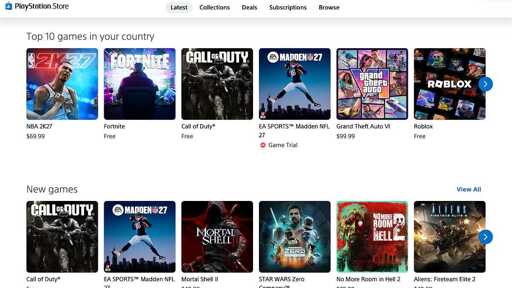
Well, the article asks for a free trial to read the rest, so I’ll base myself off this.
Sony is correct that we don’t buy ownership of digital stuff, because digital stuff is effectively the same as whatever can be copyrighted. Anyone can start banging their desk, clapping their hands and sing “We will rock you” by Queen - but being able to play does not necessarily mean the people involved have the right to play. The same has been true with software for a very long time, probably since the beginning. You can execute any proprietary software on your computer and even though you can make copies, unless otherwise stated, you don’t have the rights to do so.
Now, in ye olden times, software came within physical media - tapes, diskettes, CDs, ROM chips. In theory, you owned the media and anything contained within, though that still didn’t give you rights to make copies. Not only that, since the DMCA passed, we lost the right to reverse engineer, further cementing the notion that we don’t own digital goods, even if we paid for them and have physical retail copies.
This is all a problem, but it would be significantly smaller if the stores actually sold a digital copy (which is, to my knowledge, how GOG handles it), instead of a limited access - via their store - to a copy, which they can also remove without prior notice