It’s actually gotten worse in the last 100 years. See, back then, most women would do unpaid household labour, and men would work. So your typical married household does 40 hours of work a week.
Nowadays, we have (some) gender equality, which means everyone works 40 hours a week. So your typical married household does 80 hours of paid work a week, PLUS the unpaid work that still needs to be done!
If we want to get back to doing the same work as a society as in 1926, we need to legally mandate a 4 hour workday. Anything less is a regression in workers’ rights.
It’s actually gotten worse in the last 100 years. See, back then, most women would do unpaid household labour, and men would work
This might have been true for someone in a relatively well off class position, but for the majority of working class people 100 years ago, the women also worked. Especially in things like service and textiles.
It wasn’t until the post-war economic boom with soldiers coming home and taking advantage of the GI Bill, did the “traditional” setup of women being stay-at-home mothers while the man worked, become normative. At least among white families.


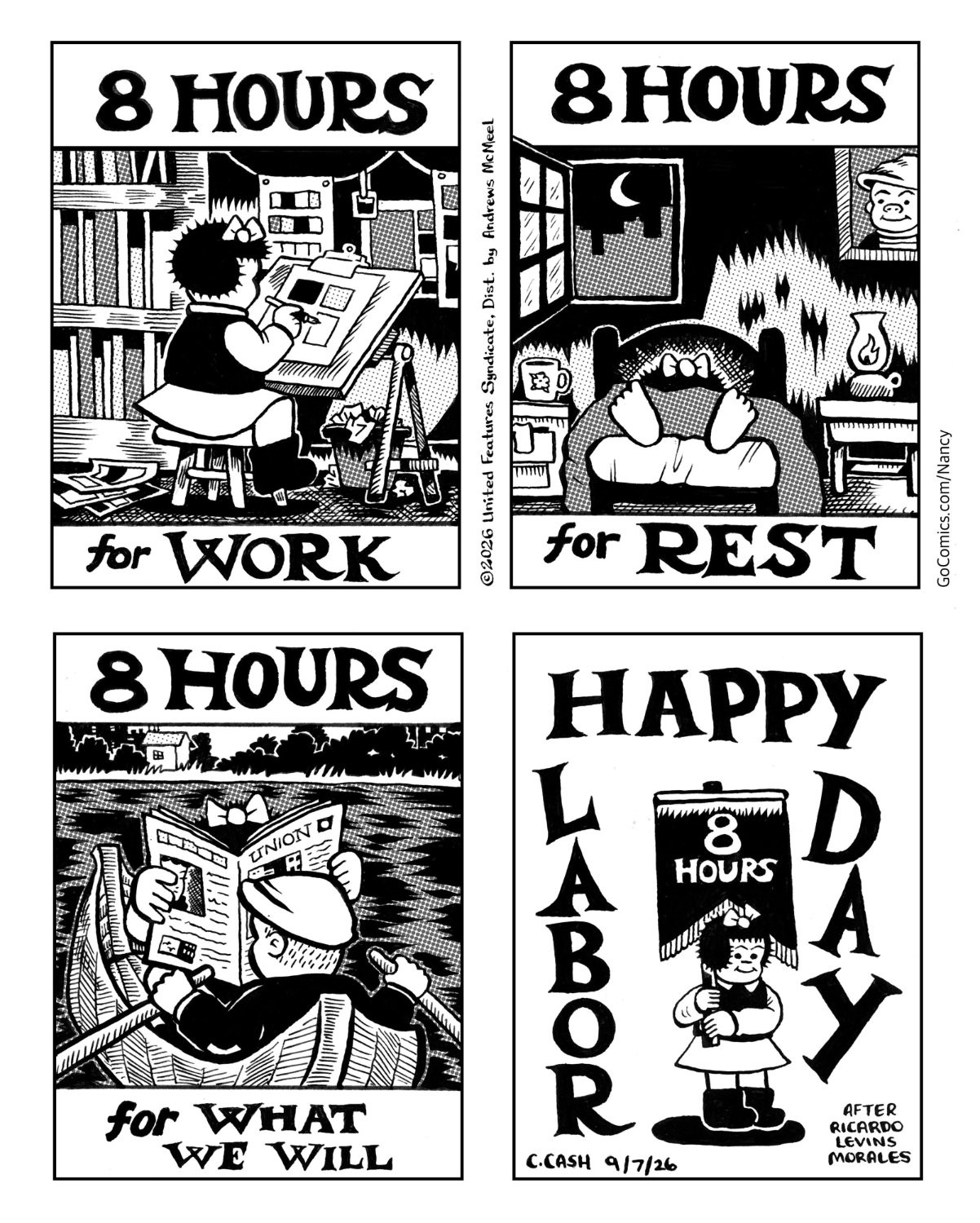
It’s actually gotten worse in the last 100 years. See, back then, most women would do unpaid household labour, and men would work. So your typical married household does 40 hours of work a week.
Nowadays, we have (some) gender equality, which means everyone works 40 hours a week. So your typical married household does 80 hours of paid work a week, PLUS the unpaid work that still needs to be done!
If we want to get back to doing the same work as a society as in 1926, we need to legally mandate a 4 hour workday. Anything less is a regression in workers’ rights.
This is a very important point. We doubled the amount of labor, but the wealth of households stayed flat.
This might have been true for someone in a relatively well off class position, but for the majority of working class people 100 years ago, the women also worked. Especially in things like service and textiles.
It wasn’t until the post-war economic boom with soldiers coming home and taking advantage of the GI Bill, did the “traditional” setup of women being stay-at-home mothers while the man worked, become normative. At least among white families.