

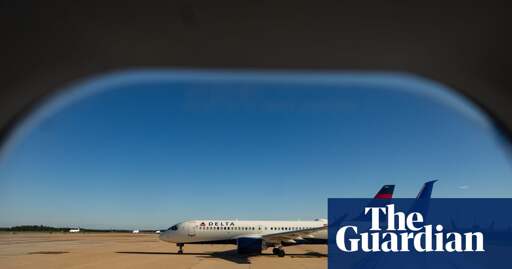
The Federal Trade Commission (FTC) is demanding some of the US’s biggest airlines, ride-share companies and retailers divulge how they are using algorithms and loyalty programs to target customers and drivers with different prices and wages.
Nine companies – Delta, United, JetBlue, Lyft, Uber, DoorDash, Instacart, Target and Walmart – were named in the inquiry, which comes after investigations and lawsuits alleging consumers are charged different prices based on their buying histories and drivers paid different fares based on their personal histories.
The FTC will “scrutinize the opaque methodology that some companies in these industries may be using to determine how much consumers pay or how much gig workers are paid for the same product or service”, chair Andrew Ferguson said in a statement.
US family budgets already burdened by inflation are being gouged by opaque and sometimes deceptive store pricing practices, including surveillance pricing and overcharges by Dollar General and convenience stores.
We’ll see if any of this amounts to something good, but
four statesthree states and Seattle have banned some flavor of algorithmic price gouging this year, so it may be that we get some leadership from the Fed.We’ll see.
Which states?
Hey Beef. My memory is faulty. It was three states and Seattle, Washington.
Maryland was the first, followed by Connecticut, and New Jersey, and then Seattle.
I made a video on the topic earlier this year which touched on the emerging regulation.
Oh cool, I’ll check it out, thank you!
My state is not on that list, so I want to see how other states are addressing this so i can advocate for a similar approach here.
Hell yeah. If I had to guess, I think 2/3 of the US states will have some flavor of a ban on it in the next two years. These companies have been speed-running malicious tech while they have the opportunity, since Donald refuses to regulate it and they know that won’t last forever.
Pay particular attention to whether a ban in your state regulates loyalty clubs or not, because loyalty clubs are a back-door method of surveillance pricing too.
The cynic in me thinks being forced to “divulge” via the FCC is corporate intellectual warfare

