In automation theory, a “centaur” is a person who is assisted by a machine. You’re a human head being carried around on a tireless robot body. Driving a car makes you a centaur, and so does using autocomplete.
And obviously, a reverse centaur is a machine head on a human body, a person who is serving as a squishy meat appendage for an uncaring machine.
Obviously, it’s nice to be a centaur, and it’s horrible to be a reverse centaur.
The AI trend has been pushing all of us to be reverse centaurs which is the problem with machines you’re talking about.
I don’t think that in that case the tentacles made Doc Ock a reverse centaur necessarily, but I see the similarities. The tentacles weren’t doing the thinking, and IIRC the neural link increased Otto’s rage and aggression, and suppressed his emotions and compassion (plus his wife died so he had little to care about). Maybe there needs to be a third term where using the machine as a centaur changes the behavior and brain of the operator?


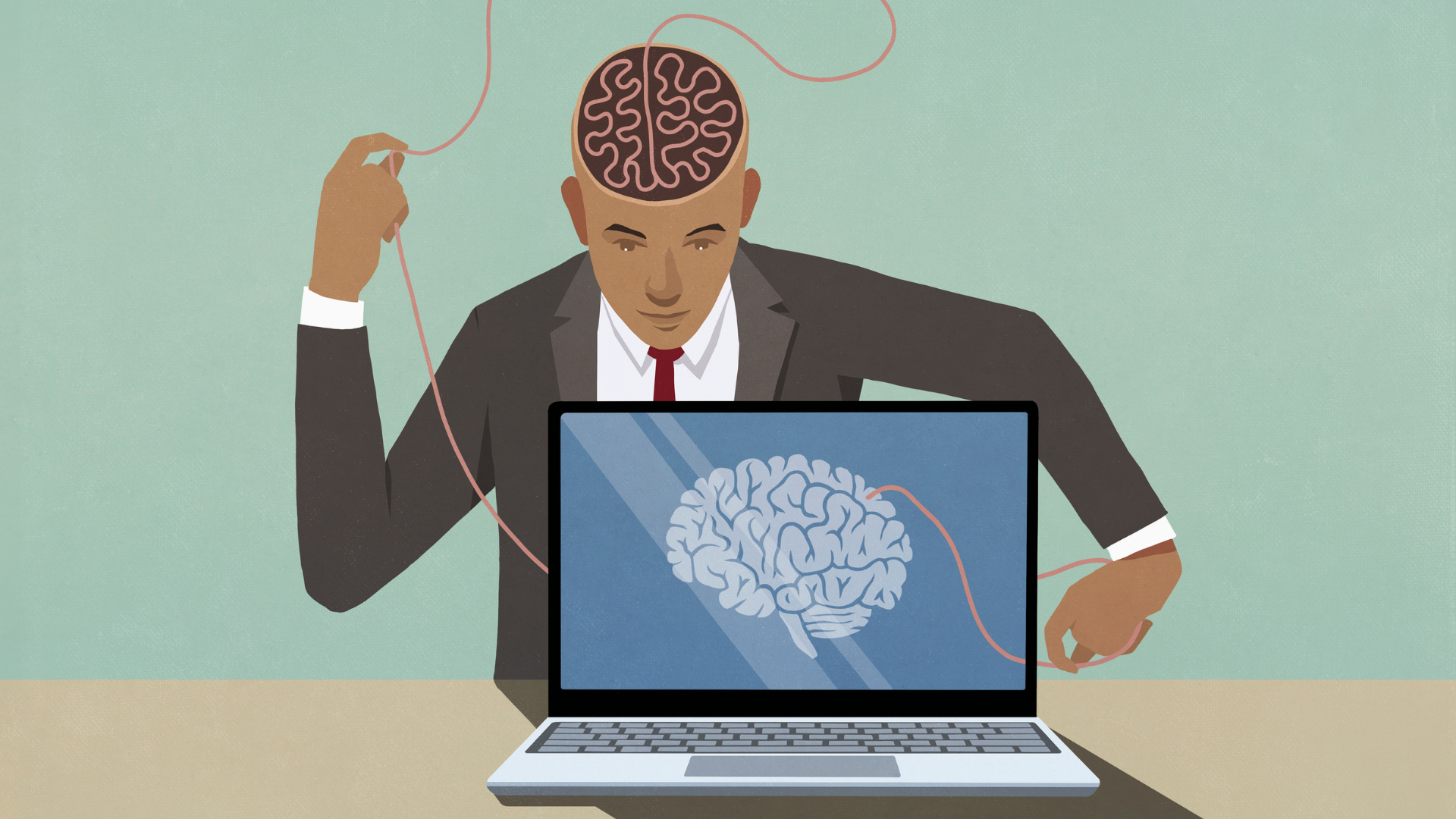
I like Cory Doctorow’s take on it differentiating the two different classes of machine:
The AI trend has been pushing all of us to be reverse centaurs which is the problem with machines you’re talking about.
The problem is that you start thinking the robot tentacles are a neat tool and that you’re a centaur.
But before long the tentacles take over and you haven’t even realized you’ve become a reverse centaur.
Source : the ancient wisdom of Spider-Man 2 (2004).
I don’t think that in that case the tentacles made Doc Ock a reverse centaur necessarily, but I see the similarities. The tentacles weren’t doing the thinking, and IIRC the neural link increased Otto’s rage and aggression, and suppressed his emotions and compassion (plus his wife died so he had little to care about). Maybe there needs to be a third term where using the machine as a centaur changes the behavior and brain of the operator?