No they do exist! But most scientists agree that we are unlikely to ever see commercial airliners using it, nor will freight liners use it. We would have to see ENORMOUS scientific improvements and many many many things that seem incredibly far fetched invented to get to that point.
You overstate your case, several firms are already at various stages. Wright Electric is working on a >500km range passenger craft for easyJet right now. That won’t be able to fill every role, but a worthwhile number of them to be sure.
If you could link that it would be great. As far as I understand it, a commercial passenger plane (which holds several hundred people) is no where close to being possible. If you are talking about small planes that hold maximum ten-15 people then sure.
There are lots of claims going around, but the physics just isn’t there. Battery storage density isn’t high enough currently (and doesn’t look to be close) to support large planes. It’s the same problem as with 18 wheelers. The larger the vehicle, the battery size increases superlinearly, not linearly. Because adding in battery storage increases the weight required to carry the vehicle, thus increasing the battery storage needs, thus … and so on. With liquid fuel, the weight is variable based on the passengers, and the weight drops as the flight continues, thus increasing fuel efficiency the more weight is lost.
I get that. Do you have a number in mind for Wh/kg needed for commercial air feasibility? Geely Auto is apparently producing solid state 350+ Wh/kg batteries for cars this year. That might be almost enough, especially given the longer lifespan usually claimed of solid state batteries. I’m not an expert on any of this stuff, but it seems at least worth waiting and seeing.


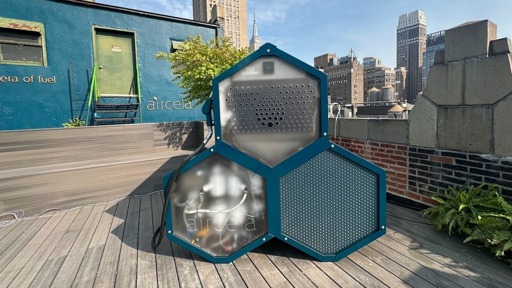
Battery electric aeroplanes aren’t as far off as you might think, but you’re technically correct that they don’t currently exist.
No they do exist! But most scientists agree that we are unlikely to ever see commercial airliners using it, nor will freight liners use it. We would have to see ENORMOUS scientific improvements and many many many things that seem incredibly far fetched invented to get to that point.
You overstate your case, several firms are already at various stages. Wright Electric is working on a >500km range passenger craft for easyJet right now. That won’t be able to fill every role, but a worthwhile number of them to be sure.
If you could link that it would be great. As far as I understand it, a commercial passenger plane (which holds several hundred people) is no where close to being possible. If you are talking about small planes that hold maximum ten-15 people then sure.
I just read it from the Wikipedia page. Their site doesn’t have a lot of info other than a white paper
There are lots of claims going around, but the physics just isn’t there. Battery storage density isn’t high enough currently (and doesn’t look to be close) to support large planes. It’s the same problem as with 18 wheelers. The larger the vehicle, the battery size increases superlinearly, not linearly. Because adding in battery storage increases the weight required to carry the vehicle, thus increasing the battery storage needs, thus … and so on. With liquid fuel, the weight is variable based on the passengers, and the weight drops as the flight continues, thus increasing fuel efficiency the more weight is lost.
I get that. Do you have a number in mind for Wh/kg needed for commercial air feasibility? Geely Auto is apparently producing solid state 350+ Wh/kg batteries for cars this year. That might be almost enough, especially given the longer lifespan usually claimed of solid state batteries. I’m not an expert on any of this stuff, but it seems at least worth waiting and seeing.