

- cross-posted to:
- progressivepolitics@lemmy.world
- cross-posted to:
- progressivepolitics@lemmy.world
cross-posted from: https://sopuli.xyz/post/40371583
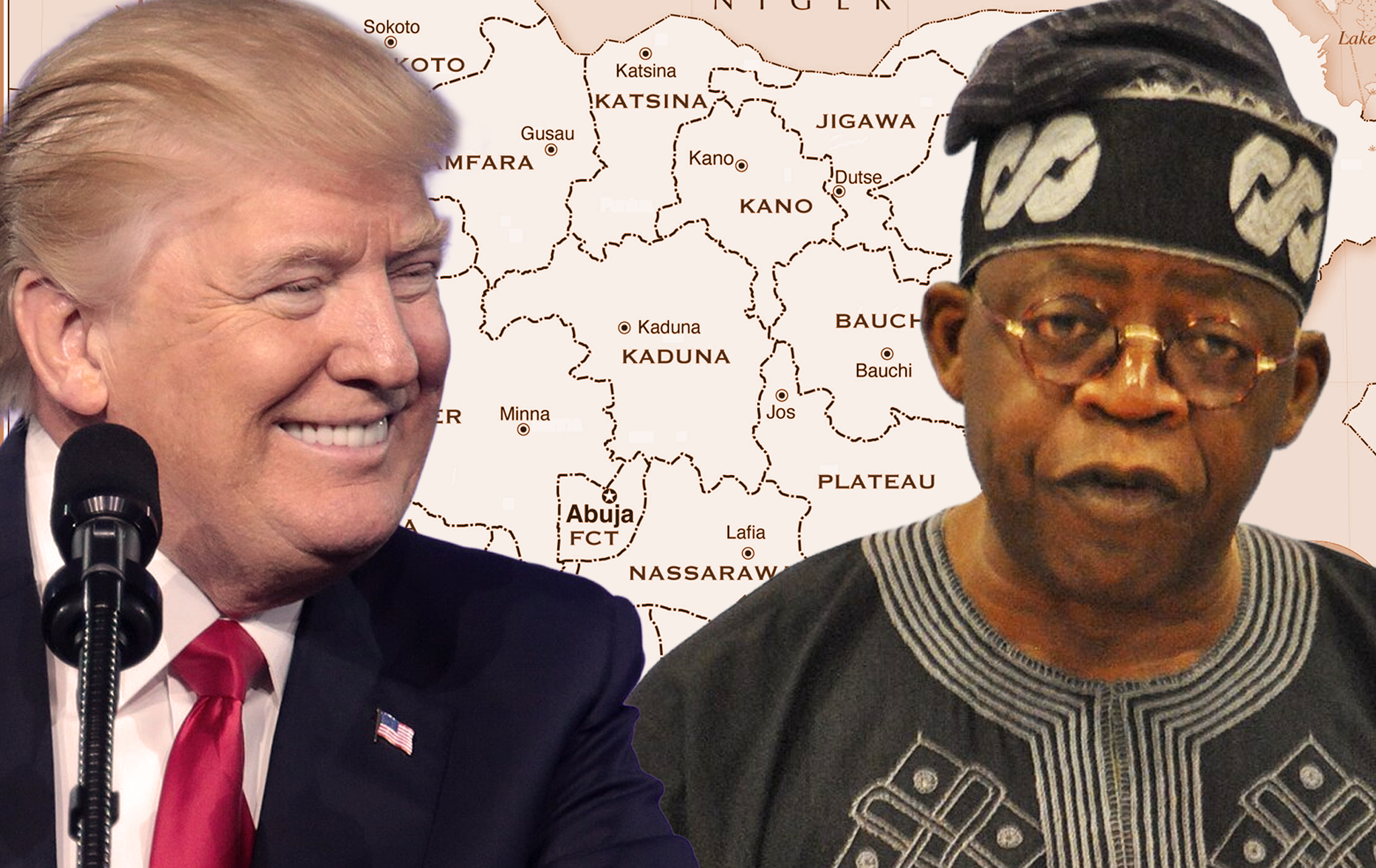
It’s true that Nigeria has experienced unprecedented levels of violence in recent years. There are various militant groups operating in Nigeria calling themselves bandits, jihadis (including the notorious Boko Haram), Indigenous Peoples of Biafra (IPOB), Niger Delta Avengers (NDA), and other names, all seeking to exploit the current instability in the country for their own goals. These groups have been responsible for the deaths of tens of thousands of people and displaced millions, severely affecting large swaths of Nigeria. Many farmers are being killed, churches and mosques are being burned down, and villages are completely disappearing.
However, to claim that the issues of violence in Nigeria represent a genocide of Christian citizens specifically is not only inaccurate, but dangerous. Focusing exclusively on Christians in this way represents a form of denial of the suffering of Muslim populations who experience attacks at the same frequency if not more than Christians, and a refusal to acknowledge the true cause of the violence: the struggle for control of land, water, and mineral resources.
…
This use of the “Christian genocide” framework is not merely incorrect on a historical basis, but is an example of what scholar and author Samar Al-Bulushi calls “war-making as world-making.” In Al-Bulushi’s recent book of the same name, he explains how U.S. leaders used counter-terrorism efforts against Al-Shabaab in Kenya to gain greater influence over the country and its politics, redefining Kenya as a chaotic place needing outside help.
In the same way, U.S. leaders today are attempting to create a new geopolitical identity of Nigeria—one that must implement U.S.-backed security protocols, introduce foreign contracted groups, and interpret local communal disputes over land rights as religious terrorism which would give an opportunity for external actors to exercise control over Nigeria’s internal conflicts.
…
Meanwhile, even many religious institutions in Nigeria which are typically perceived as being divided by their religious identities are fighting back against this politicization of religious identity. In 2023 the Christian Association of Nigeria (CAN) and the Nigeria Supreme Council for Islamic Affairs (NSCIA) issued a joint statement calling for unity to deter foreign actors from using religion as an element for their political manipulation on the people of Nigeria.”
Bishop Timothy Cheren in Abuja has made serious warning about how the “narrative of genocide” plays into the hands of those who seek to use division as a means to generate wealth. In similar fashion, the Sultan of Sokoto, Muhammad Sa’ad Abubakar, the religious leader of Nigerian Muslims, has emphasized that bandits are without a religion and urged the people to concentrate on their pursuit of justice rather than blaming.
You must log in or register to comment.