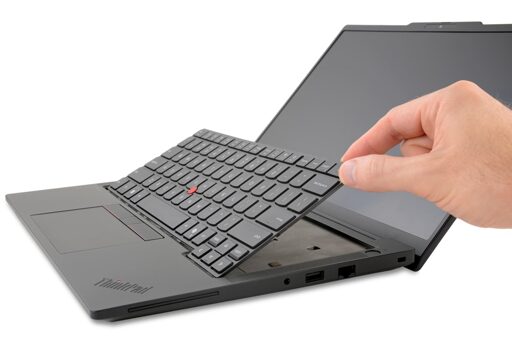
Repair goes mega mainstream with the launch of Lenovo’s new T-series business laptops, which earned our highest honor with a 10/10 repairability score.
Yes, but if you are running Windows on them, do they still inject Chinese state-sponsored malware into Windows on every boot from UEFI/BIOS storage?
They were caught doing this on several occasions, to the point where Lenovo products are forbidden across significant swaths of the U.S. government and military.
Err… were they? I remember vulnerabilities and a ban from SOME of the US gov agencies, but not clear if it was because of spying concerns or because they wanted a US supplier.
There’s this thing called uninstalling the factory OS and reinstalling with a clean image. If you go a step further you can even get rid of Windows altogether and install Linux.
And then you have procurement who are told to get the most at the least cost, allowing state-owned companies to undercut most competition. Without clearly-specified guidelines that exclude dangerous tech, most rank-and-file salarymen will be told by Dilbert bosses to order the hardware or look for a different job.
So, some of rakabis’ advice is pretty good. I’ll just say that if you’re wanting to get away from being locked into a computational ecosystem with an even worse support lifetime than windows devices, avoid buying a Mac. A 2018 MacBook stopped receiving 90% of updates in 2024.
Caveat that by saying that older MacBooks, i.e. pre Mac made chips, are usually pretty reasonably priced on the used market. If you’re willing to switch to Linux then there’s even really good support for the hardware, with basically every distro working on MacBooks with Intel chips out of the box. The only part of deploying Linux on my wife’s 2017 MB Air that was REALLY a headache was the webcam. There’s info on every step to get the drivers installed and everything working, it’s just not all in one place, and a little outdated.
Don’t listen to what the other guy is saying, it’s all bullshit. His vocabulary betrays this wonabe haxxor with bad ideas about everything and weird choices, and his suggestions are the same.
If you have the money and want simplicity, reliability, and interoperability, go for a Mac. Just clench your sphincter and maximize the RAM; min. 32Gb ought to be minimally appropriate for a 7-8yr lifespan of basic duties. And FFS, go for what your current data uses up ×2.5 or 1Tb, whichever is larger (vital performance reasons in that). Don’t get the smallest storage unless third-party upgrade options exist like for the Mac Mini M4. And remember: all RAM and a lot of storage is integrated these days, which is why you should always max it out; there is no upgrade path except wholesale replacement of the machine. CPU is largely immaterial unless you are doing truly heavy lifting like video editing or AI, so that can often be the lowest choice.
If you want freedom and truly unconstrained system, some form of Linux/BSD on a Framework system is the way to go. Or if a desktop, hand-assemble it yourself.
If you are going to stick with Windows, go for a business-class Dell. Trust me, it’ll be almost as $$$$ painful as a Mac, but these little f**kers are built to last. At least you can upgrade the RAM and on-board storage, although I honestly recommend not going under 32Gb for anything other than basic tasks. It’ll be a lot more zippy with 32Gb even if you spend the first week tearing all the AI and built-in spyware out of Windows.
Read it again. It occurs even with a full system wipe and re-install from Microsoft-direct media, or even a full hard drive swap. It is wholly independent of what is on the hard drive, the only restriction being that it can only successfully run when injected into Windows.
You are correct, however they were malicious in nature and loaded on every boot from the UEFI/BIOS. They required Windows and auto-terminated the install if they already existed.

Yes, but if you are running Windows on them, do they still inject Chinese state-sponsored malware into Windows on every boot from UEFI/BIOS storage?
They were caught doing this on several occasions, to the point where Lenovo products are forbidden across significant swaths of the U.S. government and military.
Err… were they? I remember vulnerabilities and a ban from SOME of the US gov agencies, but not clear if it was because of spying concerns or because they wanted a US supplier.
How this hasn’t killed all serious interest is beyond me.
Very few people, relatively speaking, have heard anything about this whatsoever. That’s how.
There’s this thing called uninstalling the factory OS and reinstalling with a clean image. If you go a step further you can even get rid of Windows altogether and install Linux.
How can you trust that there’s no rootkits being injected into your linux install?
How can you trust other laptop manufacturers aren’t doing the same if we’re going with unfounded assumptions?
Most Linux images offer checksums to verify integrity.
Track record and reputation
Lenovo does not have a reputation of placing root kits in their Linux installs so there you go.
Goldfish memories by most muggles and normies.
Plus the latest shiny and feature FOMO.
And then you have procurement who are told to get the most at the least cost, allowing state-owned companies to undercut most competition. Without clearly-specified guidelines that exclude dangerous tech, most rank-and-file salarymen will be told by Dilbert bosses to order the hardware or look for a different job.
How would you recommend someone shop for a laptop? Any good guides?
So, some of rakabis’ advice is pretty good. I’ll just say that if you’re wanting to get away from being locked into a computational ecosystem with an even worse support lifetime than windows devices, avoid buying a Mac. A 2018 MacBook stopped receiving 90% of updates in 2024.
Caveat that by saying that older MacBooks, i.e. pre Mac made chips, are usually pretty reasonably priced on the used market. If you’re willing to switch to Linux then there’s even really good support for the hardware, with basically every distro working on MacBooks with Intel chips out of the box. The only part of deploying Linux on my wife’s 2017 MB Air that was REALLY a headache was the webcam. There’s info on every step to get the drivers installed and everything working, it’s just not all in one place, and a little outdated.
Don’t listen to what the other guy is saying, it’s all bullshit. His vocabulary betrays this wonabe haxxor with bad ideas about everything and weird choices, and his suggestions are the same.
If you have the money and want simplicity, reliability, and interoperability, go for a Mac. Just clench your sphincter and maximize the RAM; min. 32Gb ought to be minimally appropriate for a 7-8yr lifespan of basic duties. And FFS, go for what your current data uses up ×2.5 or 1Tb, whichever is larger (vital performance reasons in that). Don’t get the smallest storage unless third-party upgrade options exist like for the Mac Mini M4. And remember: all RAM and a lot of storage is integrated these days, which is why you should always max it out; there is no upgrade path except wholesale replacement of the machine. CPU is largely immaterial unless you are doing truly heavy lifting like video editing or AI, so that can often be the lowest choice.
If you want freedom and truly unconstrained system, some form of Linux/BSD on a Framework system is the way to go. Or if a desktop, hand-assemble it yourself.
If you are going to stick with Windows, go for a business-class Dell. Trust me, it’ll be almost as $$$$ painful as a Mac, but these little f**kers are built to last. At least you can upgrade the RAM and on-board storage, although I honestly recommend not going under 32Gb for anything other than basic tasks. It’ll be a lot more zippy with 32Gb even if you spend the first week tearing all the AI and built-in spyware out of Windows.
Running a business class Dell on Debian. Fantastic machine.
Source?
One example of many.
You must be new to tech to not remember this. Wasn’t all that long ago.
Not even remotely the same thing OP is claiming. It’s their own windows flavor version with auto start script. It’s bad but not that bad.
Read it again. It occurs even with a full system wipe and re-install from Microsoft-direct media, or even a full hard drive swap. It is wholly independent of what is on the hard drive, the only restriction being that it can only successfully run when injected into Windows.
Trust me bro *tm
My memory was fuzzy, but I think it wasn’t UEFI but apps/drivers, but j could be wrong
You are correct, however they were malicious in nature and loaded on every boot from the UEFI/BIOS. They required Windows and auto-terminated the install if they already existed.
They can’t be a 10, only framework gets a 10. Nothing compares.