
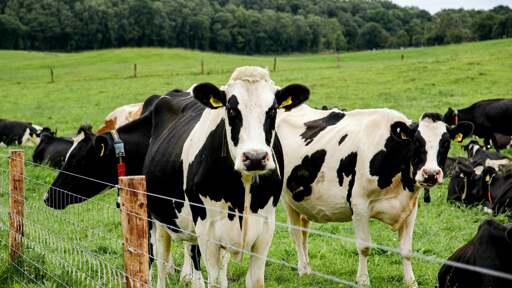
One project investigating impacts of feed additives on reducing methane emissions from the burps of beef cattle over their lifetime was allocated almost €1.5 million.

The research will look at ways of reducing methane emissions in Irish beef systems through strategic use of feed additives and early-life interventions.

The vast majority of methane - a greenhouse gas - released by cattle during digestion is by belching, rather than flatulance.

  • usernamesAreTricky@lemmy.ml
    link
    fedilink
    English
    arrow-up
    14
    arrow-down
    1
    ·
    edit-2
    1 day ago

    This is mostly greenwashing and false hype by the beef industry with misleading numbers

    What’s more, feeding cattle algae is really only practical where it’s least needed: on feedlots. This is where most cattle are crowded in the final months of their 1.5- to 2-year lives to rapidly put on weight before slaughter. There, algae feed additives can be churned into the cows’ grain and soy feed. But on feedlots, cattle already belch less methane—only 11 percent of their lifetime output

    […]

    Unfortunately, adding the algae to diets on the pasture, where it’s most needed, isn’t a feasible option either. Out on grazing lands, it’s difficult to get cows to eat additives because they don’t like the taste of red algae unless it’s diluted into feed. And even if we did find ways to sneak algae in somehow, there’s a good chance their gut microbes would adapt and adjust, bringing their belches’ methane right back to high levels.

    […]

    All told, if we accept the most promising claims of the algae boosters, we’re talking about an 80 percent reduction of methane among only 11 percent of all burps—roughly an 8.8 percent reduction total

    https://www.wired.com/story/carbon-neutral-cows-algae/