The reality of the world is most people want to meet at a bar or do an activity, and that costs money. And men are expected to pay for the dating. Splitting the tab is now very rare. People are a lot more traditionally sexist than they were 10-20 years ago.
I date. Most women want to be wined and dined, or they want to do a trendy activity date. Even if I take a woman out to a museum and a glass of wine, it’s going to run me $100. Museum tickets are 30-40 dollars pp, and the wine is going to be 15-20 a glass.
Women I met used to offer to split, but that basically stopped happening post pandemic. Now they never offer to split. I’ve also noticed surge in women demanding traditional gender role dating both in person and on dating apps. Nobody is a feminist anymore like they were 10 years ago. They all want ‘masculine men’ and they want to be ‘feminine women’. A lot more women I meet now are now asking me if I am ‘actually straight/gay’ now too. No woman was asking me if I was gay 10 years ago. Gender expectations have changed and regressed.
Article is talking about the dating world, as it is, as of 2026. Not how it used to be, not how it ought to be.
I’m not going to pretend that I understand everything happening to today’s young daters, but what you’re describing isn’t true in my circles (which skew older and richer, but where the people going on dates are more likely to be divorced and/or have children from prior relationships, but where $200 on a weeknight dinner is not unusual or a financial stretch).
More importantly, I still stand by my description of how the article mangled the underlying studies. Dating can be expensive, but not everyone who goes on a $200 date in that survey is going on a first date with a stranger, and $93 is probably a better metric to follow to understand what is happening.
The rest of my comment is just a description of what I believe will both reduce the amount of money spent on first dates and increase the expected value of that date by deferring any decision to spend any money by only going on dates with people you already kinda know and already like. If you don’t believe that advice is practical for your current circumstances, I’m sorry to hear that, but I wonder if you can find another way to achieve similar effects.

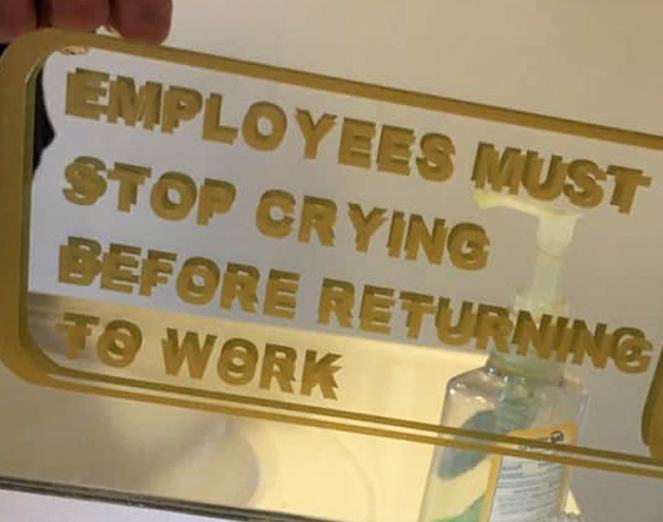

The world isn’t like that though.
The reality of the world is most people want to meet at a bar or do an activity, and that costs money. And men are expected to pay for the dating. Splitting the tab is now very rare. People are a lot more traditionally sexist than they were 10-20 years ago.
I date. Most women want to be wined and dined, or they want to do a trendy activity date. Even if I take a woman out to a museum and a glass of wine, it’s going to run me $100. Museum tickets are 30-40 dollars pp, and the wine is going to be 15-20 a glass.
Women I met used to offer to split, but that basically stopped happening post pandemic. Now they never offer to split. I’ve also noticed surge in women demanding traditional gender role dating both in person and on dating apps. Nobody is a feminist anymore like they were 10 years ago. They all want ‘masculine men’ and they want to be ‘feminine women’. A lot more women I meet now are now asking me if I am ‘actually straight/gay’ now too. No woman was asking me if I was gay 10 years ago. Gender expectations have changed and regressed.
Article is talking about the dating world, as it is, as of 2026. Not how it used to be, not how it ought to be.
You’re living in a prison of your own making. I hope you escape one day.
yeah, I’m also impinging that gas prices aren’t 5 bucks a gallon right now. it’s totally a figment of my imagination!
if i just think different, they were magically be 3 bucks again.
I’m not going to pretend that I understand everything happening to today’s young daters, but what you’re describing isn’t true in my circles (which skew older and richer, but where the people going on dates are more likely to be divorced and/or have children from prior relationships, but where $200 on a weeknight dinner is not unusual or a financial stretch).
More importantly, I still stand by my description of how the article mangled the underlying studies. Dating can be expensive, but not everyone who goes on a $200 date in that survey is going on a first date with a stranger, and $93 is probably a better metric to follow to understand what is happening.
The rest of my comment is just a description of what I believe will both reduce the amount of money spent on first dates and increase the expected value of that date by deferring any decision to spend any money by only going on dates with people you already kinda know and already like. If you don’t believe that advice is practical for your current circumstances, I’m sorry to hear that, but I wonder if you can find another way to achieve similar effects.
i can’t change the world around me anymore than i can lower gas prices.
deleted by creator