

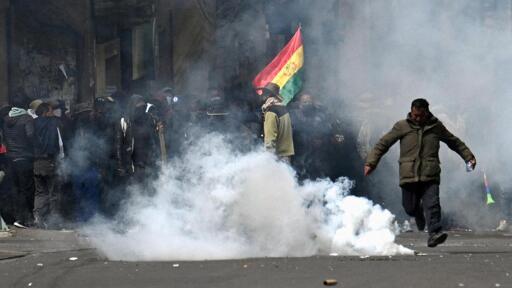
The strike was triggered by the worsening economic crisis and a collapsing quality of life. Fuel shortages and poor‑quality gasoline and diesel hit the country hard. Transport grounded to a halt and inflation accelerated toward 14%. Food prices spiked highest.
In response, unions, miners’ unions in particular, demanded a fair wage increase to match inflation. Unions also strongly opposed the Paz regime’s neo-liberal, pro‑foreign policies in agricultural, education, and labor that are sure to affect ordinary people negatively.
The proposals include allowing large corporations to seize control of small and indigenous peasants’ lands, strip protections for indigenous peoples, remove fuel subsidies, privatize public corporations, and cut budgets for public services. Strikers are aware these measures are dictates of US imperialism.
Workers openly condemned the regime’s subservience to US dictates. They clearly know Paz’s favoring US and foreign firms betrays the nation’s sovereignty.
Strikers grew angrier at the US’s overt support for Paz’s violent dispersals and fascist moves against the resistance. They say the US bankrolls the regime that is key to plundering Bolivia’s natural resources. They denounced US intervention in the country, including threats to kidnap anti‑imperialist leader and former Bolivian president Evo Morales.
The US targets Bolivia for its large lithium reserves. Bolivia belongs to the so‑called Lithium Triangle in South America, together with Argentina and Chile. The three countries hold over 50% of the world’s total lithium.
Crosspost from https://news.abolish.capital/post/52107