There’s also Slowroll which is Tumbleweed but like 1 week behind in updates for a stable experience, and there’s some immutable flavour that I forgot the name of.
I’m using Tumbleweed, the one issue of rolling release (things occasionally breaking) is not an issue since OpenSuse natively supports snapshots (and automatically makes a snapshot before and after every update).
Something breaks? Reboot -> Boot from read-only snapshot -> selecting the one from before the update -> in terminal: snapper rollback -> done. Update again 2d later.
I’m using Tumbleweed, the one issue of rolling release (things occasionally breaking) […]
My 5 cents is the risk of breaking is overblown in many cases. Of course, you don’t want important servers to break. But I am running Debian since 15 years and in fact, for me it broke more often than Arch, for example because of GNOME issues, or NVidia issues. And well that’s a biased sample because I use Debian for a larger proportion of time. I think for desktop users, it matters more to have a backup system.
Yes, the only thing that ever breaks for me are my nvidia drivers (specifically if there arent new drivers for a new kernel yet). Sometimes I don’t roll back and just keep it, but often I’m using local AI for uni stuff so I roll back to fix them.


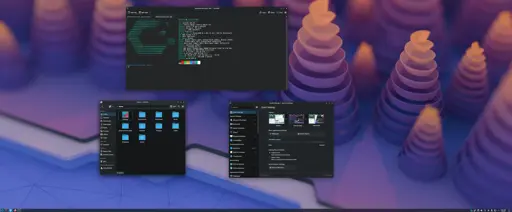
OpenSuSE also comes in two flavours, Leap (a stable release) and Tumbleweed (which is rolling release and sligthly less bleeding edge than Arch).
You can even run Opensuse stable, and in a VM on top Tumbleweed to have a system where you can safely try out new stuff.
There’s also Slowroll which is Tumbleweed but like 1 week behind in updates for a stable experience, and there’s some immutable flavour that I forgot the name of.
I’m using Tumbleweed, the one issue of rolling release (things occasionally breaking) is not an issue since OpenSuse natively supports snapshots (and automatically makes a snapshot before and after every update).
Something breaks? Reboot -> Boot from read-only snapshot -> selecting the one from before the update -> in terminal: snapper rollback -> done. Update again 2d later.
My 5 cents is the risk of breaking is overblown in many cases. Of course, you don’t want important servers to break. But I am running Debian since 15 years and in fact, for me it broke more often than Arch, for example because of GNOME issues, or NVidia issues. And well that’s a biased sample because I use Debian for a larger proportion of time. I think for desktop users, it matters more to have a backup system.
Yes, the only thing that ever breaks for me are my nvidia drivers (specifically if there arent new drivers for a new kernel yet). Sometimes I don’t roll back and just keep it, but often I’m using local AI for uni stuff so I roll back to fix them.
I solved that one by buying an AMD radeon card. Zero fuss since then.