Skyrocketing living costs and lack of government support are deterring potential PhD candidates. Experts say the obvious solution is to lift the stipend
You’re getting the big downvote but the pay difference is between Maxim, who is a postgraduate new to the field and relatively inexperienced, and a research scientist with the PhD who earns about 110k a year - 45 to 55 an hour on average. That is the payoff for the miserable pay rate now.
If you go blue-collar, you’ll discover that apprentices also start at that kind of pay rate, which slowly increases as they get more experience, which is they key part that’s missing from this conversation.
The “but they’re working on curing children’s cancer!!!1!” is just an emotional hook to generate moral outrage. There are plenty of PhDs getting 18 an hour researching weapons systems, but they don’t make the news.
PhD students are already years past being “apprentices”. You have to already done at least 4 years of study (3 year undergraduate + honours year at minimum) to start a PhD, and most will have done 5 or more (undergraduate + 2 year research masters)
I can’t help it if it is a long and arduous path to the career that they have chosen. But the fact is, they’re still in the education system and learning/ gaining experience at this point, just like apprentices.
I don’t disagree that the pay is shit and that it could go up a bit if it is actively discouraging people to do their PhD. Being used as cheap labour is a problem for both apprentices and PhD students alike, it seems.
The “but they’re working on curing children’s cancer!!!1!” is just an emotional hook to generate moral outrage. There are plenty of PhDs getting 18 an hour researching weapons systems, but they don’t make the news.
The first of those jobs is constructive and beneficial to both Australia and to humankind as a whole. The second is destructive and literally helps kill people. It’s invalid to trivialise that difference down to “moral outrage” - in fact morality need not be involved at all - health research is a vital job I’d like to see rewarded better.
I respond with a hearty “bollocks” to all your statements. The Guardian is using the children’s cancer statement as a hook to get you in to read their article, nothing more, nothing less.
Having said that, people on their way to PhDs should probably be paid more to entice them to do one if we are starting to get a shortage of PhDs around the place.
Working on curing childhood cancer is emotional because it’s something that we as a society value collectively but clearly aren’t compensating the work enough. Why should we pay a pittance to people who have 5+ years of training under their belt? Is it simply because they’ll make more in the future? That sounds like a pretty exploitative system to me.


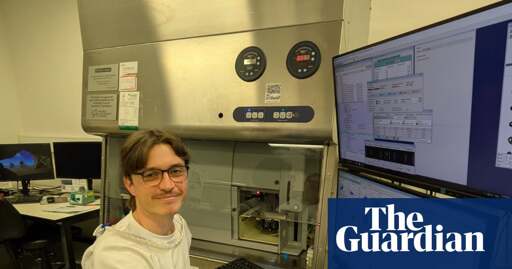
Maxim is getting paid to get a PhD. Boo hoo.
You’re getting the big downvote but the pay difference is between Maxim, who is a postgraduate new to the field and relatively inexperienced, and a research scientist with the PhD who earns about 110k a year - 45 to 55 an hour on average. That is the payoff for the miserable pay rate now.
If you go blue-collar, you’ll discover that apprentices also start at that kind of pay rate, which slowly increases as they get more experience, which is they key part that’s missing from this conversation.
The “but they’re working on curing children’s cancer!!!1!” is just an emotional hook to generate moral outrage. There are plenty of PhDs getting 18 an hour researching weapons systems, but they don’t make the news.
PhD students are already years past being “apprentices”. You have to already done at least 4 years of study (3 year undergraduate + honours year at minimum) to start a PhD, and most will have done 5 or more (undergraduate + 2 year research masters)
I can’t help it if it is a long and arduous path to the career that they have chosen. But the fact is, they’re still in the education system and learning/ gaining experience at this point, just like apprentices.
I don’t disagree that the pay is shit and that it could go up a bit if it is actively discouraging people to do their PhD. Being used as cheap labour is a problem for both apprentices and PhD students alike, it seems.
But they’ve generally had zero real world experience. They’re usually just career students up until that point.
The first of those jobs is constructive and beneficial to both Australia and to humankind as a whole. The second is destructive and literally helps kill people. It’s invalid to trivialise that difference down to “moral outrage” - in fact morality need not be involved at all - health research is a vital job I’d like to see rewarded better.
I respond with a hearty “bollocks” to all your statements. The Guardian is using the children’s cancer statement as a hook to get you in to read their article, nothing more, nothing less.
Having said that, people on their way to PhDs should probably be paid more to entice them to do one if we are starting to get a shortage of PhDs around the place.
I am enthusiastically curious about why you claim that the curing of children’s cancer being beneficial is “bollocks”.
Working on curing childhood cancer is emotional because it’s something that we as a society value collectively but clearly aren’t compensating the work enough. Why should we pay a pittance to people who have 5+ years of training under their belt? Is it simply because they’ll make more in the future? That sounds like a pretty exploitative system to me.
It mostly is and not only when it comes to PhD students. We are in a society in decay.
deleted by creator
makes retarded hand gesture at you