Okay, now do something about how insanely expensive train tickets are. This is a good step forwards, but I feel way more people rely on the train to travel than busses.
You could be more appreciative than “okay, now do another great thing”. I agree like but when people do sit things we fuck em up, we should give propers props for good deeds.
Train tickets are priced, among other things, to manage demand and prevent overcrowding. Increasing capacity is a long-term and high-cost process (see HS2) and the government doesn’t have that sort of time or money.
HS2 is clearly just a deliberate money pit at this point, there’s no other reason a relatively short line like that could out cost the entire EU wide rail refurbishment project by a factor of almost 2.
Train tickets are priced to maximise profits for shareholders. For a lot of tickets there’s a maximum amount they’re allowed to raise them by each year, and you better believe they do exactly that.
They’re slowly being renationalised when their contracts run out, which is a start.
A good benchmark for pricing should be “two people taking a train should cost about the same as it would to drive in a car”. It’s nowhere near that. For most long UK journeys it’s cheaper to fly to another European country and fly back to the destination than it is to take a train.
The railways were effectively nationalised in 2020. Since then they have been run as management contracts - with the franchisee being paid a flat rate by the DfT per train, and the DfT keeping the ticket revenue. Indeed, Thameslink, Southern and Great Northern, the largest franchise, had been a management contract as early as 2015.
The average profit margin was around 2% of face value, while around 60% went to network renewal. Under franchising, DfT set the price of 40% of tickets. The remainder, set by franchisees, were often cheaper advance offers.


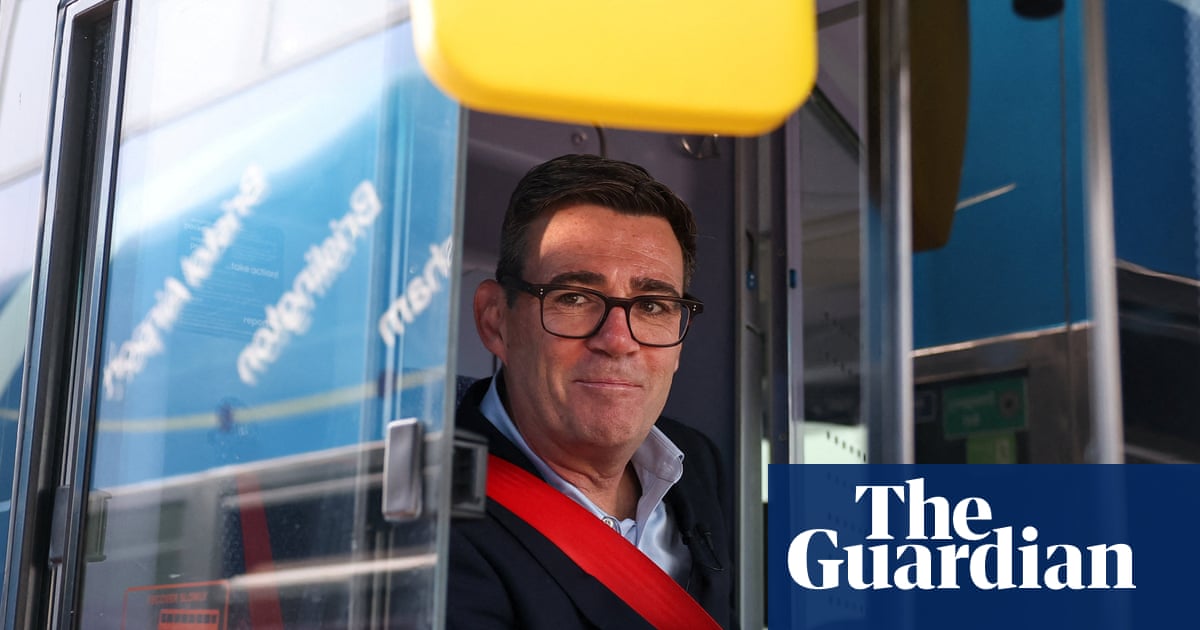
Okay, now do something about how insanely expensive train tickets are. This is a good step forwards, but I feel way more people rely on the train to travel than busses.
You could be more appreciative than “okay, now do another great thing”. I agree like but when people do sit things we fuck em up, we should give propers props for good deeds.
Train tickets are priced, among other things, to manage demand and prevent overcrowding. Increasing capacity is a long-term and high-cost process (see HS2) and the government doesn’t have that sort of time or money.
HS2 is clearly just a deliberate money pit at this point, there’s no other reason a relatively short line like that could out cost the entire EU wide rail refurbishment project by a factor of almost 2.
Train tickets are priced to maximise profits for shareholders. For a lot of tickets there’s a maximum amount they’re allowed to raise them by each year, and you better believe they do exactly that.
They’re slowly being renationalised when their contracts run out, which is a start.
A good benchmark for pricing should be “two people taking a train should cost about the same as it would to drive in a car”. It’s nowhere near that. For most long UK journeys it’s cheaper to fly to another European country and fly back to the destination than it is to take a train.
The railways were effectively nationalised in 2020. Since then they have been run as management contracts - with the franchisee being paid a flat rate by the DfT per train, and the DfT keeping the ticket revenue. Indeed, Thameslink, Southern and Great Northern, the largest franchise, had been a management contract as early as 2015.
The average profit margin was around 2% of face value, while around 60% went to network renewal. Under franchising, DfT set the price of 40% of tickets. The remainder, set by franchisees, were often cheaper advance offers.