


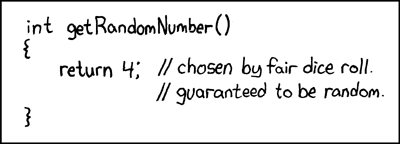
Astonishingly, the private keys were 4, 56, 66, 115, 155, 156, 230, 237.
exploiting compromised certificates requires an active adversary-in-the-middle attack, meaning the attacker must act as a proxy between two TLS parties and receive encrypted traffic, decrypt it, reencrypt it, and send it to the other party. Such capabilities, in some cases, are usually limited to only the most well-resourced attackers. People with control of a local network—at a coffee shop, university, or other organization—face much less of a challenge.
https://emudhra.we-have-a-problem.com/
First time I’ve come across the phrase but it sounds like the same thing. It’s gender neutral though I guess. Maybe that’s it?
It’s commonly used and you often see the abbreviation AITM these days. You’re right about the reason.
Good to know. Cheers.
We had one compulsory course in English at university. The professor corrected a “man-in-the-middle” I had in a field-specific paper. She preferred “middle man”. She did buy that it was an established term in cryptography, though.
It’s a term for the attack, yes but not for the attacker