

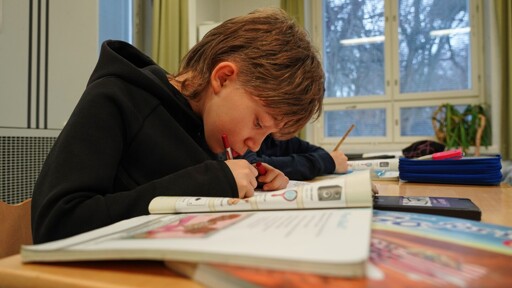
For decades, the Nordic nation has woven media literacy, including the ability to analyze different kinds of media and recognize disinformation, into its national curriculum for students as young as 3 years old. The coursework is part of a robust anti-misinformation program to make Finns more resistant to propaganda and false claims, especially those crossing over the 1,340-kilometer (830-mile) border with neighboring Russia.
Now, teachers are tasked with adding artificial intelligence literacy to their curriculum, especially after Russia stepped up its disinformation campaign across Europe following its full-scale invasion of Ukraine nearly four years ago. Finland’s ascension into NATO in 2023 also provoked Moscow’s ire, though Russia has repeatedly denied it interferes in the internal affairs of other countries.
“We think that having good media literacy skills is a very big civic skill,” Kiia Hakkala, a pedagogical specialist for the City of Helsinki, told The Associated Press. “It’s very important to the nation’s safety and to the safety of our democracy.”
The USA ranked fifth in the world for educational spending in 2019, while Finland spent $12,000.
https://nces.ed.gov/programs/coe/indicator/cmd/education-expenditures-by-country
But this doesn’t tell the whole story. The USA spending varies dramatically between states. There’s an obvious teaching-to-the-measure, and edddctively racial segregation even outside the South. Also, there’s a preoccupation with funding sport extracurriculars, instead of teachers and educational programs. When the institutions devalue the work of the educators, it drives the good teachers away from the profession, so kids aren’t taught with passion.
https://images2.minutemediacdn.com/image/upload/c_crop,w_1284,h_722,x_0,y_0/c_fill,w_1440,ar_16:9,f_auto,q_auto,g_auto/shape/cover/sport/LaPorte-e80d9b8e782b43fca9ccd2e65efaad87.jpg