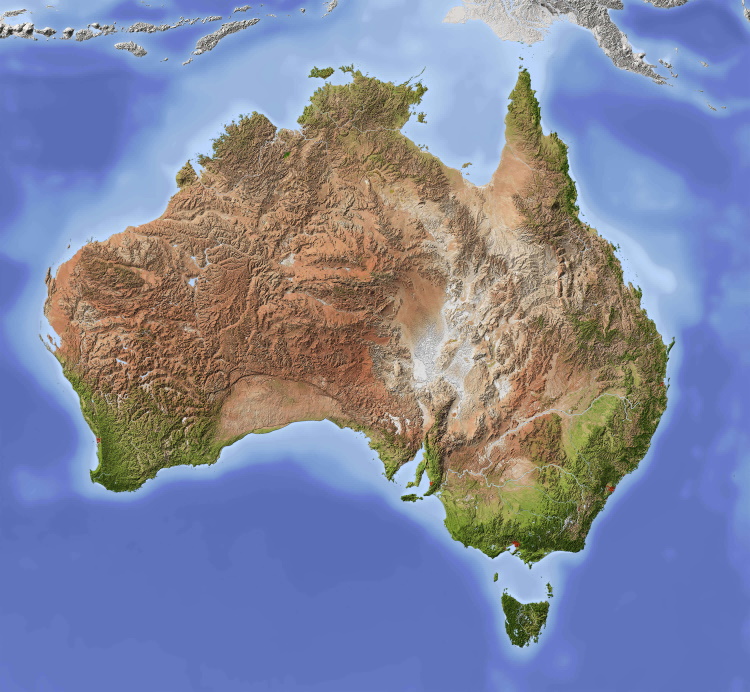
On 2 September 2020, as a result of the COVID-19 pandemic, Australia officially went into recession (defined as two quarters of negative growth) with GDP falling 7% in the June 2020 quarter, the largest drop on record. GDP fell 0.3% in the March quarter.[Wikipedia]
At the moment no one can afford a house because of 50%+ inflation since the last crisis. The poorest are the ones who have felt this the most. We NEED a recession, realistically one where prices of everything halve to get back to where they should be.
Would it be terrible for a lot of people? Absolutely - but the alternative is absolutely destroying the economy and affordability already.
The poorest always shoulder the burden - of everything - because they’re the ones where even the smallest change affects them the most. They’re the ones most affected by unchecked inflation like we’ve had the last 6 years.
A recession does lead to a “reset” in prices via deflation. Prices go down when spending and earning goes down. That’s literally what happens. Buying power per dollar increases because money is harder to come by, so prices drop to accommodate the drop in spending and earning.
In a recession people lose all their money. Thats literally why things might get cheaper, because no one can afford them.
As we have both said - the poorest are hardest hit, being the most insecure with employment. Consuming their savings degrading professional networks and connections, even falling into poverty.
In short, if you cant afford to buy a house now, it will be much more difficult to during or following a recession.
Buying power per dollar may increase, but only wealthy people have any dollars. Thats why this type of financial downturn is when wealthy people consolidate their positions and buy more houses et cetera.
As an aside, if property in Australia reduced in value by half, we would probably be a failed state. I dont think our various institutions both public and private could navigate those kinds of catastrophic losses.
No, not everyone loses all of their money during a recession. The end result of a much needed recession would be prices across the board being much more affordable again. It wouldn’t be painless, but without a recession there’s literally no end in sight to the pain. The poorest will keep getting worse and worse off, but so will the people above them, and above them. The only ones who don’t notice are the 1%. Even those on 200k are hurting with prices where they are now. $100k 5 years ago was a great wage. Now it’s pretty much the bare minimum to not be living in poverty.
That’s my point. The effects on the poorest among us are never a factor whenever politicians or business leaders or the media talks about ‘the economy’.
Bullshit. That’s literally why everyone wants to hear politicians talking about “the economy” because anyone with more than single digit IQ knows that they’re talking about everyone.
Any conversation about the economy includes unemployment rates - this is literally speaking directly about the poorest among us.
Any financial commentary in the last month has talked about interest rates, which is a key “household finance” issue. Perhaps not important to those in abject poverty, but certainly important to anyone who works in a service industry.

You can rephrase it how you like but ultimately it harms everyone.
We haven’t had a recession in decades, but it gets pretty brutal.
Yes some rich people’s yacht money gets deferred, but also young single parents lose their jobs and can’t find somewhere to live.
The poorest among us always bear the brunt of an economic downturn.
At the moment no one can afford a house because of 50%+ inflation since the last crisis. The poorest are the ones who have felt this the most. We NEED a recession, realistically one where prices of everything halve to get back to where they should be.
Would it be terrible for a lot of people? Absolutely - but the alternative is absolutely destroying the economy and affordability already.
Recessions don’t tend to work that way. Like I said the poorest always shoulder the burden.
Its not like kinda turning it off and on again to have a do-over with more reasonable prices.
The poorest always shoulder the burden - of everything - because they’re the ones where even the smallest change affects them the most. They’re the ones most affected by unchecked inflation like we’ve had the last 6 years.
A recession does lead to a “reset” in prices via deflation. Prices go down when spending and earning goes down. That’s literally what happens. Buying power per dollar increases because money is harder to come by, so prices drop to accommodate the drop in spending and earning.
Sure but a “reset” implies everyone starts over.
In a recession people lose all their money. Thats literally why things might get cheaper, because no one can afford them.
As we have both said - the poorest are hardest hit, being the most insecure with employment. Consuming their savings degrading professional networks and connections, even falling into poverty.
In short, if you cant afford to buy a house now, it will be much more difficult to during or following a recession.
Buying power per dollar may increase, but only wealthy people have any dollars. Thats why this type of financial downturn is when wealthy people consolidate their positions and buy more houses et cetera.
As an aside, if property in Australia reduced in value by half, we would probably be a failed state. I dont think our various institutions both public and private could navigate those kinds of catastrophic losses.
I never implied everyone starts over.
No, not everyone loses all of their money during a recession. The end result of a much needed recession would be prices across the board being much more affordable again. It wouldn’t be painless, but without a recession there’s literally no end in sight to the pain. The poorest will keep getting worse and worse off, but so will the people above them, and above them. The only ones who don’t notice are the 1%. Even those on 200k are hurting with prices where they are now. $100k 5 years ago was a great wage. Now it’s pretty much the bare minimum to not be living in poverty.
That’s my point. The effects on the poorest among us are never a factor whenever politicians or business leaders or the media talks about ‘the economy’.
Bullshit. That’s literally why everyone wants to hear politicians talking about “the economy” because anyone with more than single digit IQ knows that they’re talking about everyone.
Any conversation about the economy includes unemployment rates - this is literally speaking directly about the poorest among us.
Any financial commentary in the last month has talked about interest rates, which is a key “household finance” issue. Perhaps not important to those in abject poverty, but certainly important to anyone who works in a service industry.