

The oil crisis has not only caused petrol prices to soar, it has revealed just how little competition there is among the big oil companies. A couple weeks ago the ACCC announced that it would be looking into uncompetitive behaviour by petrol companies in the rural areas.
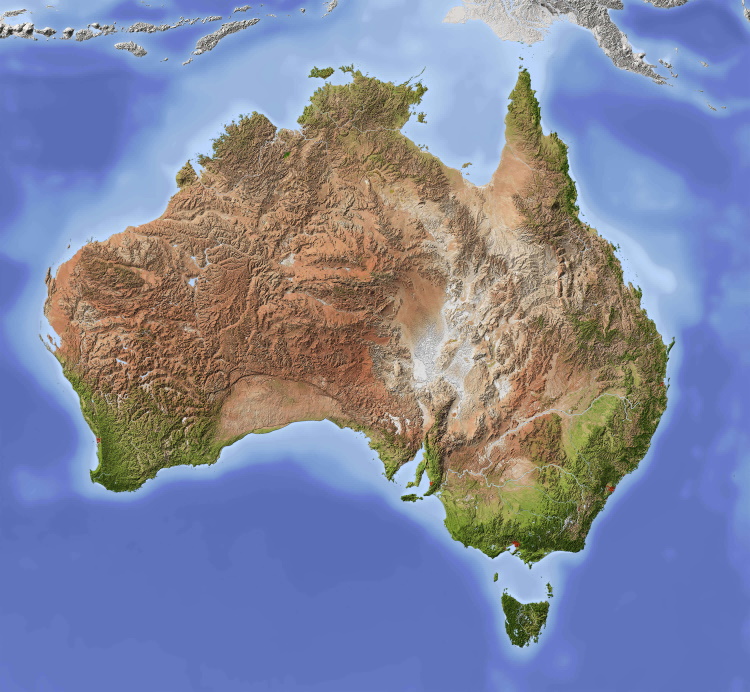
The article shows how petrol price rises have been affected in different parts of Australia.
https://thepoint.com.au/news/260327-petrol-prices-are-soaring-in-sync-collusion-or-coincidence
ABC News Daily hosted David Byrne, professor of economics, who talked about this.
He didn’t go into a lot of detail but basically, it’s because fuel watch allows retailers to monitor each other’s prices.
Basically, fuel retailers can always increase their margins by fluctuating their prices. Cheap today more expensive tomorrow.
When Fuel Watch was introduced (only exists in WA), you couldn’t just fluctuate your prices irrespective of what everyone else was doing because if your price was significantly higher than everyone elses you wouldn’t have any customers. So retailers had to fluctuate their prices in concert with other retailers.
Finally, if every retailer is going to have a high point and a low point each week, it feels sensible that right before the weekend would be the highpoint, because that’s when everyone is gearing up for their weekend plans. Then high over the weekend when people are doing things, high on Monday when everyone is back from a weekend away, then cheap fuel Tuesday to gather up some customers, and so on.