Indeed: electric vehicle batteries are lasting even longer than estimated. All the constant breaks from use that the batteries get has been interestingly improving their durability (which makes me think that shutting off our phones for 1 whole day per week or even month could improve their lifespan, even for the 40-80% lithium-ion boundary keepers).
When was hot-swapping batteries normal? What was the backup power source? I’d only ever seen normally swappable batteries where the phone would need to power off and back on.
I’ve never owned a flip phone that I couldn’t plug in and swap the battery with a new one without it turning off. If that wasn’t normal with your phones I’m not sure why, maybe different circuitry?
Regardless making devices easy to repair, and thus open and maintainable was what I was getting at.
There actually was a Chinese EV startup that had battery swap stations: drive up onto the system, and the battery is directly under your car; the swap takes <1 minute. I don’t remember what it was called, though, nor if it ever made it.
Tom Scott did a video on it. In all honesty, there are a number of things about this system that I just don’t see working well in the long term, but it’s an interesting prototype nonetheless.
Breaks from use makes perfect sense though, it allows the electrolyte to diffuse evenly. During charge /discharge cycles there’s always more or less active electrolyte being consumed/produced at the anodes and cathodes, resting means it can equalize.


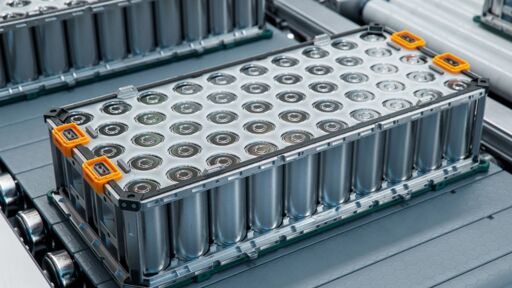
Indeed: electric vehicle batteries are lasting even longer than estimated. All the constant breaks from use that the batteries get has been interestingly improving their durability (which makes me think that shutting off our phones for 1 whole day per week or even month could improve their lifespan, even for the 40-80% lithium-ion boundary keepers).
Just make hot swapping batteries normal again like it used to be.
When was hot-swapping batteries normal? What was the backup power source? I’d only ever seen normally swappable batteries where the phone would need to power off and back on.
I’ve never owned a flip phone that I couldn’t plug in and swap the battery with a new one without it turning off. If that wasn’t normal with your phones I’m not sure why, maybe different circuitry?
Regardless making devices easy to repair, and thus open and maintainable was what I was getting at.
Somehow, I forgot about charging cables.
Somehow, charging cables returned
There actually was a Chinese EV startup that had battery swap stations: drive up onto the system, and the battery is directly under your car; the swap takes <1 minute. I don’t remember what it was called, though, nor if it ever made it.
Tom Scott did a video on it. In all honesty, there are a number of things about this system that I just don’t see working well in the long term, but it’s an interesting prototype nonetheless.
https://youtu.be/hNZy603as5w
That’s it: Nio! Yeah, I dislike the reliability on the company, too.
There was one like that in Taiwan for scooters.
Breaks from use makes perfect sense though, it allows the electrolyte to diffuse evenly. During charge /discharge cycles there’s always more or less active electrolyte being consumed/produced at the anodes and cathodes, resting means it can equalize.