While surveillance pricing is a real problem; digital shelf tags have absolutely nothing to do with it and this doesn’t fight it in anyway…
Digital shelf tags are replacing paper tags, but they are simply e-ink displays. They’re not networked and don’t show different prices per-person. All this person is doing is changing what’s on the display, then arguing with a cashier, who doesn’t get paid to deal with this crap, over the till ringing up a price different than what’s displayed on the shelf (because this person has changed it on the shelf). Plus people after him are going to be confused and cause a fuss over it too.
It’s just overly complicated retail theft, unrelated to surveillance pricing; while causing headaches for people just trying to do their jobs.
If you change only the price and keep the same barcode, editing the e-tag will almost certainly work, but it’s the other way around.
Just set the item to be a buck or two lower and when it scans you just say that it was less than that where you grabbed it from. They will probably call someone to go bring the tag and a supervisor will key in to change the item price and subtract the price up to a maximum of $10 off the tag price. This was a loblaw example because rob loblaw month is every month, but the specific way it shows up on receipt may vary across different companies.
It causes a problem for stores that use technology to squeeze more out of customers. It remains that these tags are closely tied to predatory pricing practices and it causes more than just a headache for the cashier, it causes a trust issue between customers and predatory businesses. The goal is to make these predatory practices damaging to the business. the cashier will be fine, they already deal with people being complete garbage for less, at least this gives them an excuse to bring in the manager and send the problem uphill.
It remains that these tags are closely tied to predatory pricing practices
In what way?
Yes, there are predatory pricing practices; but my point is these tags are unrelated to that problem. They’re just a display. A non-networked display that’s not capable of setting/displaying a per-customer price, as they can’t even be changed remotely.
They’re no more related to predatory pricing than paper tags are.


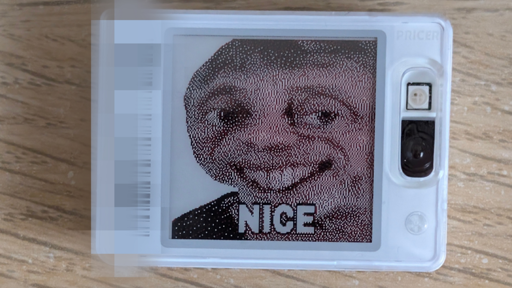
While surveillance pricing is a real problem; digital shelf tags have absolutely nothing to do with it and this doesn’t fight it in anyway…
Digital shelf tags are replacing paper tags, but they are simply e-ink displays. They’re not networked and don’t show different prices per-person. All this person is doing is changing what’s on the display, then arguing with a cashier, who doesn’t get paid to deal with this crap, over the till ringing up a price different than what’s displayed on the shelf (because this person has changed it on the shelf). Plus people after him are going to be confused and cause a fuss over it too.
It’s just overly complicated retail theft, unrelated to surveillance pricing; while causing headaches for people just trying to do their jobs.
In Canada if the price is higher on the shelf than the till it’s $10 off or free in many stores.
https://www.retailcouncil.org/scanner-price-accuracy-code/scanner-price-accuracy-code-frequently-asked-questions-by-consumers/
If you change only the price and keep the same barcode, editing the e-tag will almost certainly work, but it’s the other way around.
Just set the item to be a buck or two lower and when it scans you just say that it was less than that where you grabbed it from. They will probably call someone to go bring the tag and a supervisor will key in to change the item price and subtract the price up to a maximum of $10 off the tag price. This was a loblaw example because rob loblaw month is every month, but the specific way it shows up on receipt may vary across different companies.
It causes a problem for stores that use technology to squeeze more out of customers. It remains that these tags are closely tied to predatory pricing practices and it causes more than just a headache for the cashier, it causes a trust issue between customers and predatory businesses. The goal is to make these predatory practices damaging to the business. the cashier will be fine, they already deal with people being complete garbage for less, at least this gives them an excuse to bring in the manager and send the problem uphill.
In what way?
Yes, there are predatory pricing practices; but my point is these tags are unrelated to that problem. They’re just a display. A non-networked display that’s not capable of setting/displaying a per-customer price, as they can’t even be changed remotely.
They’re no more related to predatory pricing than paper tags are.
deleted by creator