The undersea cables carry a large share of global data traffic between Europe, the Gulf, and Asia. Tehran proposes to impose a toll for submarine cables that provide internet communications. Iran also wants all management and maintenance handled exclusively by domestic companies.
Submarine cables are usually cheaper and simpler at intercontinental scale, especially because they avoid negotiating rights-of-way across many countries. But unlike oil tankers, internet traffic is not physically constrained to the Strait of Hormuz itself. Capacity could be rerouted over terrestrial fiber links around the Gulf if the economics changed enough.
The bigger issue would probably be the time, permits, and infrastructure investment needed to build enough alternative land routes. Not any physical impossibility of carrying the signals over land. The cables themselves are likely pretty cheap.
And permits should be quite easy to come by, in the empty desert of the Arabian peninsula.


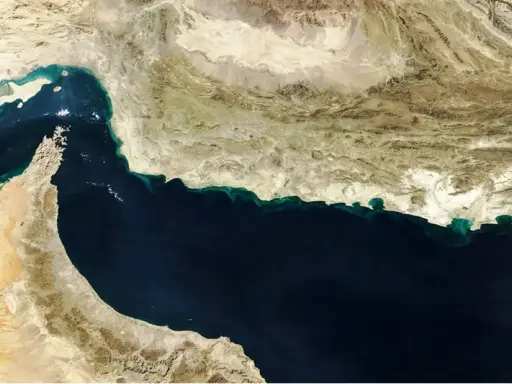
Submarine cables are usually cheaper and simpler at intercontinental scale, especially because they avoid negotiating rights-of-way across many countries. But unlike oil tankers, internet traffic is not physically constrained to the Strait of Hormuz itself. Capacity could be rerouted over terrestrial fiber links around the Gulf if the economics changed enough.
The bigger issue would probably be the time, permits, and infrastructure investment needed to build enough alternative land routes. Not any physical impossibility of carrying the signals over land. The cables themselves are likely pretty cheap.
And permits should be quite easy to come by, in the empty desert of the Arabian peninsula.