What I observe is not so much a “we’re too far away to be hacked” mentality, but rather a lackluster approach to software:
“Software is just the cream on top that enables the real power of the hardware. So let’s have our hardware engineers do the software as a side exercise. Surely it can’t be that hard.”
Then you get hardware engineers, most of whom are fucking stupid in terms of SW development, writing flight software.
My understanding is that in space systems, generally robustness trumps everything else, so old stable versions of everything are preferred. So it’s generally a very conservative software stack and process.
So it’s generally a very conservative software stack and process.
Yes, but that sort of process promotes non-adoption of techniques and processes that could increase robustness but are shunned due to pessimistic conservativeness


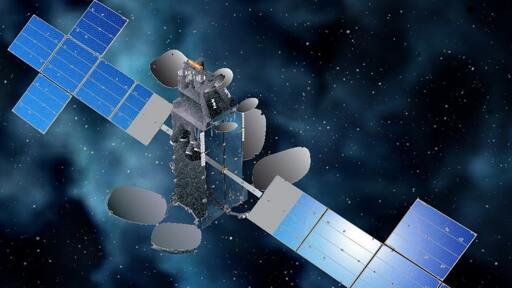
What I observe is not so much a “we’re too far away to be hacked” mentality, but rather a lackluster approach to software: “Software is just the cream on top that enables the real power of the hardware. So let’s have our hardware engineers do the software as a side exercise. Surely it can’t be that hard.” Then you get hardware engineers, most of whom are fucking stupid in terms of SW development, writing flight software.
Ah yes, assuming experience in your field basically translates to every other field. A tale as old as time.
My understanding is that in space systems, generally robustness trumps everything else, so old stable versions of everything are preferred. So it’s generally a very conservative software stack and process.
Theoretically
Yes, but that sort of process promotes non-adoption of techniques and processes that could increase robustness but are shunned due to pessimistic conservativeness
Oh yes absolutely. I was not trying to justify the design choices, just trying to explain their internal rationale.
Yeah a fair bit of that too!