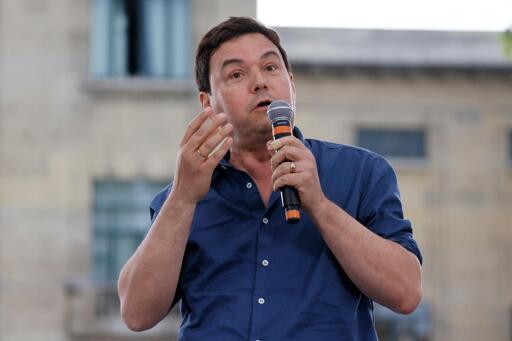
COLUMN. To win the cultural and intellectual battle, Europe must staunchly defend its model, writes the economist in his column, dismantling the narrative of a 'declining' continent.
The EU is doomed to fail if it continues centralising power though.
Its strength is in its diversity, its consensus model rather than tyranny of majority, allowing smaller countries a voice against larger ones so that Germany and France don’t entirely dominate.
The EU has a lot of good, but that doesn’t mean we need to bury our heads in the sand to its negatives either. It’s not perfect. It’s better than many similar organisations, and we should praise it for that, but praise doesn’t mean it’s immune to criticism either.
I agree with that (for the most part, I think it could do with a bit more centralisation), but I don’t think it’s what “every time in history” is pointing to


The EU is doomed to fail if it continues centralising power though.
Its strength is in its diversity, its consensus model rather than tyranny of majority, allowing smaller countries a voice against larger ones so that Germany and France don’t entirely dominate.
The EU has a lot of good, but that doesn’t mean we need to bury our heads in the sand to its negatives either. It’s not perfect. It’s better than many similar organisations, and we should praise it for that, but praise doesn’t mean it’s immune to criticism either.
You nailed it. A cell-like structure is much harder to penetrate. Unlike a homogeneous blob with one supreme leader.
I agree with that (for the most part, I think it could do with a bit more centralisation), but I don’t think it’s what “every time in history” is pointing to
Fair.