all of these, and gas turbines too, are synchronous. some wind turbines are almost-synchronous and some use giant inverters which is probably one of bigger mass uses of power electronics today
Yes, but think about it like you’re a Chinese manufacturing engineer with only basic electronics education. You COULD do that design, build out the pcb, custom tool it to fit your plastic housing, etc etc… Or you could go to the manufacturer down the street who already makes pre designed voltage reg MCU’s on a board and spend like, 20 minutes in an IDE to code the specific voltage levels and button presses.
When production volume and turnaround time is the only things that matter in this shovel waste crap, “wasting” silicon is less expensive financially than building out the optimal solution.
my guess would be it’s a parts commonality thing, it’s not hard to make it the old way, there are datasheets for it too. sure you could probably make tiny and cheaper (30x10mm? maybe smaller) analog board with two chips and mosfet working as pwm controller and current limiter, but it’ll have different passives for different battery sizes and heater powers. or you could make one design with optional usb port that you might just not solder on, and depending on model you just put different firmware inside
The old way is actually the analog style you’ve mentioned, but that was the very early days of ecigs well before they became mass market, the cottage industry modding scene had no hope of creating sophisticated microcontrollers and the charger wasn’t even USB, it was a DC jack & plug. Lavatube was the first time we had that kind of microcontroller regulation & then the DNA15 and DNA20 came out, got cloned by China and that changed the game forever.
The problem with the older way is consumers understand watts alone as a relatively consistent measurement of power much better than they would the relation between voltage, resistance & current draw. They didn’t want to learn Ohm 's Law back then and wouldn’t want to know about it now. Microcontrollers simplified that massively.
Designing a board to run a microcontroller like that is actually pretty simple.
I’ve done it for fun with a couple similar microcontrollers, and whilst I’m an EE by training I don’t do it professionally plus my training is from before embedded system, so I count as a Junior EE for that.
I’m pretty sure that even a freshly graduate Chinese EE can even on their own figure out the general recipe for integrating something this (following the datasheet, add crystal + load caps, plus about 1 caps each power pin for power filtering plus 1 global power filtering cap, plus possibly a pull-down/up resistor on the RESET pin) in a week or two and then for subsequent projects it will be feasible to do it in a few days.
Really, there’s other shit in there (say, battery management) that’s more work to figure out than how to add and place the parts for an entry level ARM microcontroller to work.
There are really cheap mcus that need maybe one capacitor if even that. It is cheaper, easier and more flexible than the multiple components required to configure an NE555.
I was just thinking that yeah again all it needs is some basic components. Like how a light bulb or fan might have multiple power settings but I don’t expect them to be able to run doom.
Yeah, it doesn’t make much since if you think in terms of how many transistors are needed to implement each of them as the microcontroller probably uses hundreds of thousands more transistors than a 555.
That said, given reasonably recent processes die size for both are probably pretty close (I reckon most of the size of a modern 555 die would be the points to place the wires to the package) and with pretty similar yields (pretty close to 100%)
I wouldn’t be surprised if the reason has something to do with economies of scale since a cheap microcontroller can pretty much be used for the same things as a 555 and a whole lot more than that, so it makes sense more of the former are manufactured than of the latter, plus I bet the process generation used in making the microcontroller is probably more recent and hence one where there are more fabs operating. This latter reason would also explain why this more recent 32-bit microcontroller is actually cheaper than older 8-bit ones with less built-in memory and fewer peripherals (such as the ATTiny ones).
it’s kinda dogshit but for this application it (cmos version) would be good enough. or better than that, there are dedicated pwm signal generators. i meant this thing in terms of complexity needed
It was a good insight into how the lightbulb dimming tech of the 80s/90s worked. Also why the dimmer switches back then were so dangerous with the capacitor likely just a few mm’s away from the light switch which might not have been properly wired because UK homes back then didn’t run a neutral back from the switch, but daisy-chained the switch and the bulb together and then ran the neutral back from the bulb
ok fine i’d put there a current limiter which you can make with 2 transistors and a diode. no need for an entire microcontroller. it’s often included with batteries these days anyway
i think you can get away with resistors when you can work with 5V, up to 1.5A. lithium batteries need current limiter in series with voltage limiter, and this alone can be made in a very simple way, unless you want to know when battery is charged, or if you want extra efficiency that smps gives you, but this only makes sense for larger batteries (phone-sized and up) or when you want to handle everything to charger and connect battery to charger directly. then i think you need controller
It’s probably cheaper and simpler to modify (say you suddenly want it to turn on when you click 3 times) to use a 0.1€ chip than to figure out how to do it and build it with discrete components.
20 years ago I was all “computer (chips) can do everything! We can use them everywhere! Replaceable, reprogrammable, fantastic!”
And no one cared.
Now they are everywhere and it’s just a fucking mess 😔
Maybe 20 years from now the EU will have forced standards onto everything and you can (again) fix your dishwasher (and start it from work!!1!).


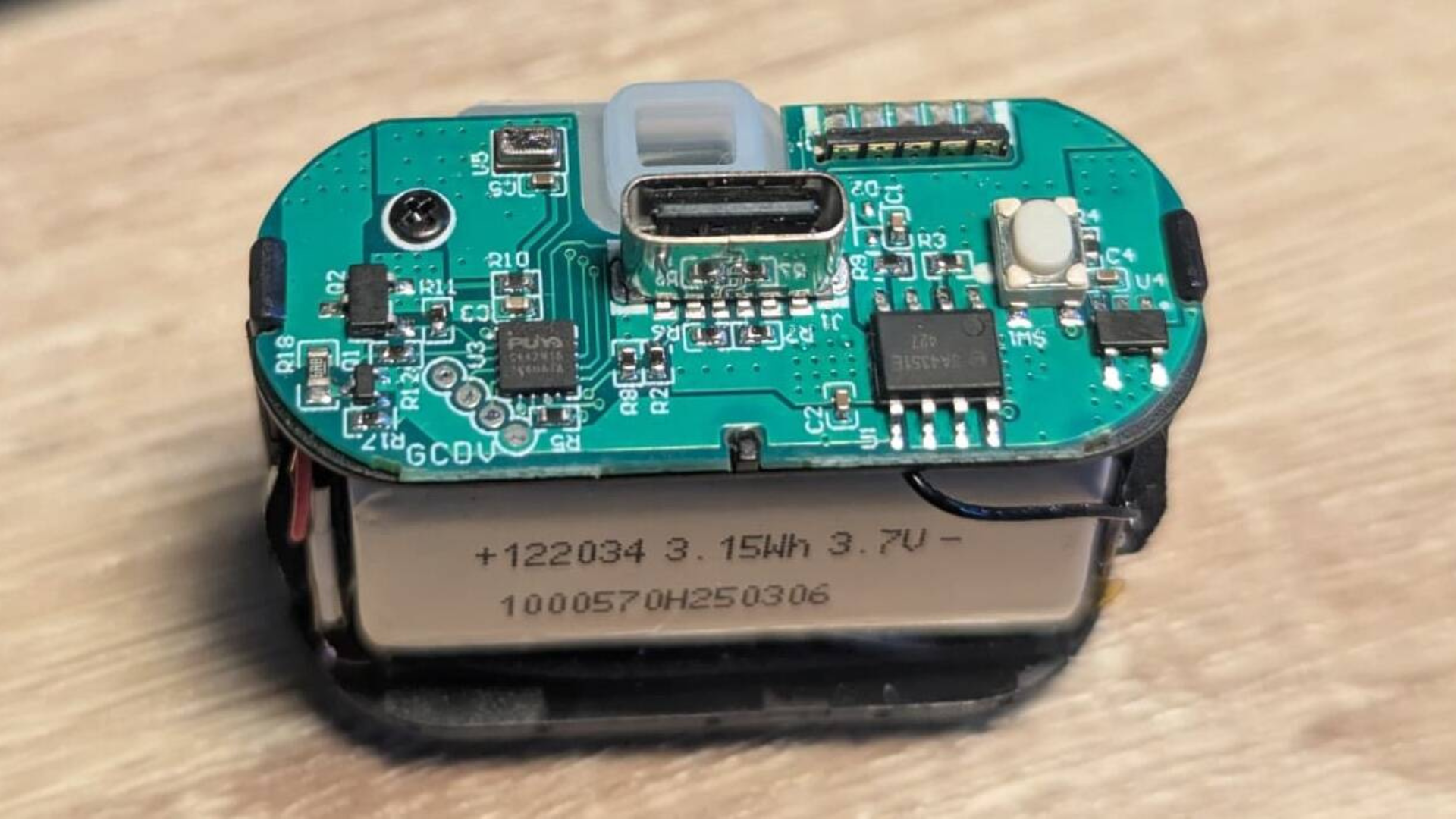
why does a glorified heater connected to a battery need any silicon attached to it?
To control the amount of voltage used in making the heat and not immediately burst into flames, for one.
It is interesting to see old tech having clever solutions for stuff like this, these days the answer is 98% of the time is to slap a CPU on it.
It’s boring!
Wait til you hear about all the different technologies we use to generate electricity
99% spinning a generator and 1% direct solar panels
Hey, hasn’t that panel number been going up lately?
The amount of panels has been. Unfortunately as always our demand also keep increasing.
Kardashev level 1 here we goo!
To
heatpower the super-AI!I am still giddy when I think about the way solar panels work. Still feels futuristic to me :3
it’s not all steam
You’re right! Sometimes we let the kinetic energy of the liquid water itself spin the turbine, when we’re feeling freaky.
all of these, and gas turbines too, are synchronous. some wind turbines are almost-synchronous and some use giant inverters which is probably one of bigger mass uses of power electronics today
deleted by creator
It’s just turning water into steam again, isn’t it
Doesn’t that just need a voltage regulator? It’s disposable so you don’t never need to concern yourself with charging.
A lot of them have selectable voltage/power levels as a “feature”, which is easier to do via a mcu PWM controll than discrete electronics.
yeah it’s more efficient this way but all you need is ne555 + mosfet tho? still no need for it to be turing complete
Yes, but think about it like you’re a Chinese manufacturing engineer with only basic electronics education. You COULD do that design, build out the pcb, custom tool it to fit your plastic housing, etc etc… Or you could go to the manufacturer down the street who already makes pre designed voltage reg MCU’s on a board and spend like, 20 minutes in an IDE to code the specific voltage levels and button presses.
When production volume and turnaround time is the only things that matter in this shovel waste crap, “wasting” silicon is less expensive financially than building out the optimal solution.
my guess would be it’s a parts commonality thing, it’s not hard to make it the old way, there are datasheets for it too. sure you could probably make tiny and cheaper (30x10mm? maybe smaller) analog board with two chips and mosfet working as pwm controller and current limiter, but it’ll have different passives for different battery sizes and heater powers. or you could make one design with optional usb port that you might just not solder on, and depending on model you just put different firmware inside
The old way is actually the analog style you’ve mentioned, but that was the very early days of ecigs well before they became mass market, the cottage industry modding scene had no hope of creating sophisticated microcontrollers and the charger wasn’t even USB, it was a DC jack & plug. Lavatube was the first time we had that kind of microcontroller regulation & then the DNA15 and DNA20 came out, got cloned by China and that changed the game forever.
The problem with the older way is consumers understand watts alone as a relatively consistent measurement of power much better than they would the relation between voltage, resistance & current draw. They didn’t want to learn Ohm 's Law back then and wouldn’t want to know about it now. Microcontrollers simplified that massively.
Designing a board to run a microcontroller like that is actually pretty simple.
I’ve done it for fun with a couple similar microcontrollers, and whilst I’m an EE by training I don’t do it professionally plus my training is from before embedded system, so I count as a Junior EE for that.
I’m pretty sure that even a freshly graduate Chinese EE can even on their own figure out the general recipe for integrating something this (following the datasheet, add crystal + load caps, plus about 1 caps each power pin for power filtering plus 1 global power filtering cap, plus possibly a pull-down/up resistor on the RESET pin) in a week or two and then for subsequent projects it will be feasible to do it in a few days.
Really, there’s other shit in there (say, battery management) that’s more work to figure out than how to add and place the parts for an entry level ARM microcontroller to work.
There are really cheap mcus that need maybe one capacitor if even that. It is cheaper, easier and more flexible than the multiple components required to configure an NE555.
With the economy of scale, it is probably cheaper to just drop a microcontroller in products
I was just thinking that yeah again all it needs is some basic components. Like how a light bulb or fan might have multiple power settings but I don’t expect them to be able to run doom.
A search in Digipart shows the cheapest price of this microcontroller as $0.10 whilst the cheapest price of the NE555 is $0.13
It really is THAT ridiculous.
not what i have expected tbh
Yeah, it doesn’t make much since if you think in terms of how many transistors are needed to implement each of them as the microcontroller probably uses hundreds of thousands more transistors than a 555.
That said, given reasonably recent processes die size for both are probably pretty close (I reckon most of the size of a modern 555 die would be the points to place the wires to the package) and with pretty similar yields (pretty close to 100%)
I wouldn’t be surprised if the reason has something to do with economies of scale since a cheap microcontroller can pretty much be used for the same things as a 555 and a whole lot more than that, so it makes sense more of the former are manufactured than of the latter, plus I bet the process generation used in making the microcontroller is probably more recent and hence one where there are more fabs operating. This latter reason would also explain why this more recent 32-bit microcontroller is actually cheaper than older 8-bit ones with less built-in memory and fewer peripherals (such as the ATTiny ones).
Thanks for the interesting read. Real nifty little timing/switching circuit!
it’s kinda dogshit but for this application it (cmos version) would be good enough. or better than that, there are dedicated pwm signal generators. i meant this thing in terms of complexity needed
It was a good insight into how the lightbulb dimming tech of the 80s/90s worked. Also why the dimmer switches back then were so dangerous with the capacitor likely just a few mm’s away from the light switch which might not have been properly wired because UK homes back then didn’t run a neutral back from the switch, but daisy-chained the switch and the bulb together and then ran the neutral back from the bulb
Some of the larger disposables do have a charging port. I guess it allows them ship a smaller battery which is good
then you have to interface with charger anyway so ig this makes some more sophisticated chip make sense
ok fine i’d put there a current limiter which you can make with 2 transistors and a diode. no need for an entire microcontroller. it’s often included with batteries these days anyway
I believe lithium ion batteries need custom chips just to charge and discharge smartly
Shit, even connecting to modern USB c to negotiate voltage you need a controller
i think you can get away with resistors when you can work with 5V, up to 1.5A. lithium batteries need current limiter in series with voltage limiter, and this alone can be made in a very simple way, unless you want to know when battery is charged, or if you want extra efficiency that smps gives you, but this only makes sense for larger batteries (phone-sized and up) or when you want to handle everything to charger and connect battery to charger directly. then i think you need controller
It’s probably cheaper and simpler to modify (say you suddenly want it to turn on when you click 3 times) to use a 0.1€ chip than to figure out how to do it and build it with discrete components.
20 years ago I was all “computer (chips) can do everything! We can use them everywhere! Replaceable, reprogrammable, fantastic!”
And no one cared.
Now they are everywhere and it’s just a fucking mess 😔
Maybe 20 years from now the EU will have forced standards onto everything and you can (again) fix your dishwasher (and start it from work!!1!).
probably more expensive to make different mechanical components when a simple chip does it all for cheaper. how ev are cheaper than ice cars,
deleted by creator