I’m more concerned about the failure mode than the failure rates. Mechanical and hydraulic brakes can experience gradual failure, giving the driver a chance to pull over get the car repaired.
EVs usually have a single motor and a single inverter , both of which can fail suddenly. Electronics usually work perfectly fine until they suddenly don’t work at all (blown fuse, bad connection, blown capacitor etc)
How are they gonna build redundancy so that no single component failure means youre freewheeling downhill on the highway
Back in the day you had to have two distinct hydraulic lines, crossing over and serving 3 wheels each, so that you could still break if one went down, but you’d feel it.
That’s the real difference to me, maintenance. Planes have a strict schedule of inspection and replacement. Moms minivan last saw an oil change before the kids made it to middle school. There’s going to be some failures.
I mean, airplane brakes probably have about a 3% duty cycle (the percentage of time they’re in use), so they’re generally idle. For city driving, car brakes probably have about a 25% duty cycle.
If those numbers are close to accurate, that means planes are using their brakes about 10x less than cars.
BTW, I didn’t pull those plane numbers directly out of my ass, but they’re definitely a rough estimate. I’m figuring about 5 minutes of breaking time per flight, counting landing and during the taxi to and from the runway. And I’m assuming a 2.5 hour flight, figuring that could be close to an average flight time.
I don’t think taxi and landing wear the brakes evenly. Landing must be something like 99% of the brake wear in <30 seconds of braking it takes for the plane to stop.


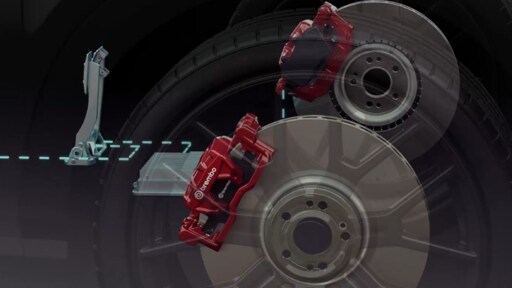
We at least know it could potentially have really low failure rates since airplanes have the same type of systems today, and that’s highly regulated
I’m more concerned about the failure mode than the failure rates. Mechanical and hydraulic brakes can experience gradual failure, giving the driver a chance to pull over get the car repaired.
EVs usually have a single motor and a single inverter , both of which can fail suddenly. Electronics usually work perfectly fine until they suddenly don’t work at all (blown fuse, bad connection, blown capacitor etc)
How are they gonna build redundancy so that no single component failure means youre freewheeling downhill on the highway
Back in the day you had to have two distinct hydraulic lines, crossing over and serving 3 wheels each, so that you could still break if one went down, but you’d feel it.
Guess they’ll have at least 2.
Do people really think Professional Engineers are stupid?
Yeah, they’d never put an unsafe vehicle into production. It would help boost confidence if someone explained what the backup plan is.
No, but their bosses might be.
Brakes on airplanes are used infrequently (though when they’re used, they’re safety-critical) so the usage pattern is very different than for cars.
And inspected after every use.
I inspect my car after every use. Well okay I look at it
I walk away without looking so that I’ll seem really cool if it explodes
That’s the real difference to me, maintenance. Planes have a strict schedule of inspection and replacement. Moms minivan last saw an oil change before the kids made it to middle school. There’s going to be some failures.
Is that true? I thought most purpurnen kept up with oil changes
Does at least once per flight really count as “infrequent?”
I mean, airplane brakes probably have about a 3% duty cycle (the percentage of time they’re in use), so they’re generally idle. For city driving, car brakes probably have about a 25% duty cycle.
If those numbers are close to accurate, that means planes are using their brakes about 10x less than cars.
BTW, I didn’t pull those plane numbers directly out of my ass, but they’re definitely a rough estimate. I’m figuring about 5 minutes of breaking time per flight, counting landing and during the taxi to and from the runway. And I’m assuming a 2.5 hour flight, figuring that could be close to an average flight time.
I don’t think taxi and landing wear the brakes evenly. Landing must be something like 99% of the brake wear in <30 seconds of braking it takes for the plane to stop.